The United States government has defended a sanctions waiver that temporarily allows certain Russian oil transactions to continue, arguing that the measure supports stability in global energy markets and maritime oil shipping flows.
Officials said the waiver was designed to prevent disruption to crude supply chains while international sanctions against Russia remain in force following the invasion of Ukraine. The decision has drawn attention across tanker markets because restrictions on Russian oil exports have reshaped global crude shipping routes and vessel demand.
Washington Says Measure Supports Energy Market Stability
According to U.S. officials, the waiver provides limited flexibility for specific transactions tied to Russian oil shipments. Authorities said the policy does not weaken the broader sanctions framework targeting Moscow’s energy sector.
Instead, the measure aims to manage short term market volatility and ensure that international oil supply chains continue to function. Officials stressed that the sanctions regime remains focused on reducing Russian revenue from crude exports while avoiding severe disruptions to global energy flows.
Impact on Global Tanker Shipping Routes
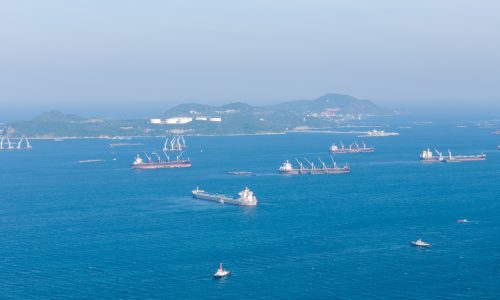
Sanctions and price caps on Russian crude have already altered global maritime oil trade patterns. Tanker voyages carrying Russian cargoes have shifted toward longer routes linking Russian ports with buyers in Asia, particularly India and China.
At the same time, European importers have increased purchases from alternative suppliers in the Middle East, the United States and West Africa. These changes have significantly expanded tanker demand and increased average voyage distances across the crude shipping market.
The US waiver therefore carries implications for tanker operators, shipbrokers and energy traders monitoring Russian oil flows.
Ongoing Scrutiny of Russian Oil Trade
Western governments continue to monitor compliance with sanctions and price cap rules governing Russian crude exports. Regulators have intensified oversight of tanker fleets suspected of transporting Russian oil outside the sanctions framework.
Authorities have also warned shipping companies, insurers and maritime service providers to follow strict compliance procedures when dealing with Russian cargoes.
Officials in Washington maintain that the waiver is a targeted policy tool rather than a shift in sanctions strategy. The United States says its broader objective remains to limit Russian energy revenue while maintaining stability in global oil shipping and supply chains.