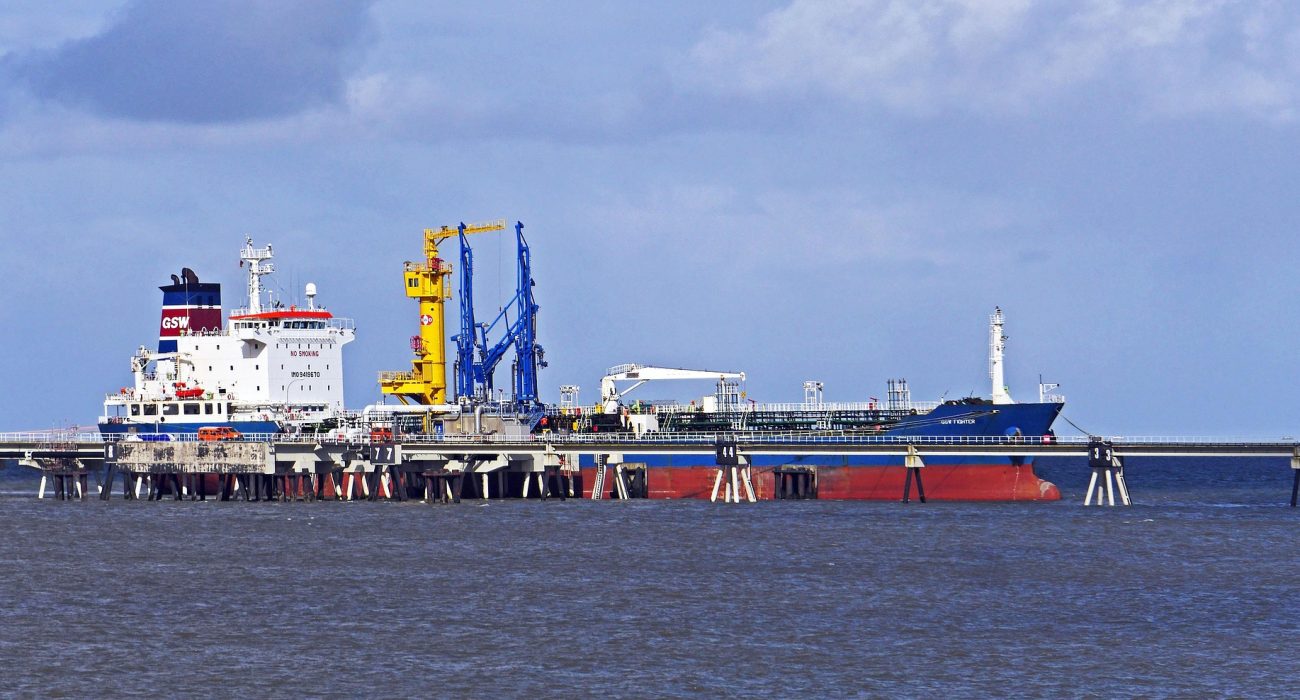
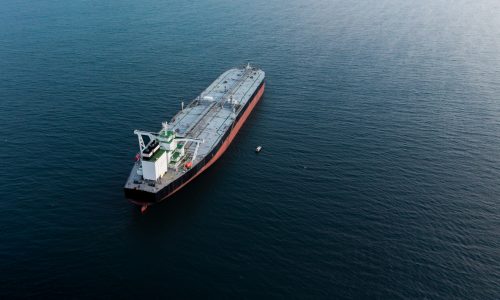
The United States added 14 tankers and multiple trading firms to its Iran sanctions list on February 6. The move came as indirect talks between Washington and Tehran opened in Oman. US authorities said the vessels and companies support networks that transport large volumes of Iranian crude.
The sanctions package covers 14 tankers and 15 companies tied to the oil trade. Officials also designated four more entities involved in the sale and transfer of Iranian petrochemical cargoes. Two individuals connected to these operations also appear on the new blacklist.
Multiple Flags and Jurisdictions Under Scrutiny
The sanctioned companies operate across several regions. Authorities named firms in the United Arab Emirates, China, India, Kazakhstan and Turkey. They also identified front companies registered in the Seychelles and the Marshall Islands.
The vessel list includes crude tankers registered in Barbados and Cameroon. One tanker operates under what US officials describe as a false Aruba flag. The action also targets product tankers flagged in Panama and Barbados. Several LPG carriers registered in Palau, Panama and San Marino also appear on the list.
US officials say Iranian oil and petrochemical exports remain a key source of state revenue. They describe the sanctions as part of an ongoing effort to disrupt shipping and trading channels linked to those exports.
Shadow Fleet Pressure Grows for Shipping Industry
The advocacy group United Against Nuclear Iran reported that seven of the 14 tankers were already under shadow fleet monitoring. Its database lists more than 190 sanctioned vessels since 2020. That trend increases compliance pressure for tanker owners, charterers and insurers involved in high risk trades.
Diplomacy Moves Forward Alongside Enforcement
The sanctions announcement coincided with indirect meetings in Oman. Iran’s foreign minister Abbas Araghchi called the discussions a positive first step and said talks would continue. He said negotiators focused on nuclear issues. US officials added that ballistic missiles and regional security concerns also remain on the agenda.
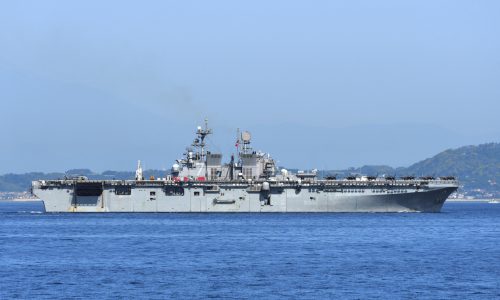
A New York Times report said Iran continues repairs at missile facilities and nuclear sites damaged in last year’s attacks by the United States and Israel. Satellite imagery shows reconstruction at several missile bases but slower progress at nuclear locations. In an NBC interview, President Donald Trump warned that Iran’s leadership should remain concerned and pointed to US forces positioned for possible action.