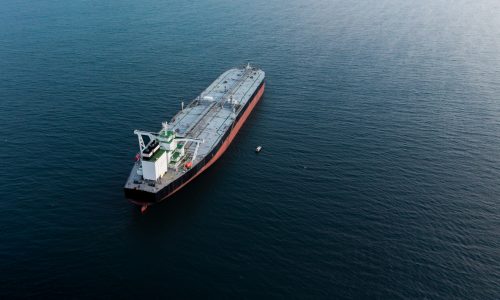
U.S. authorities are asking a federal court to approve the immediate sale of a Skipper tanker linked to the shadow fleet after the vessel discharged crude oil cargo at a U.S. port. The request forms part of Washington’s broader effort to enforce sanctions targeting Iranian oil shipments and the maritime networks that transport them.
The tanker arrived in Texas carrying crude that U.S. officials say originated in Iran. Authorities allege the shipment violated sanctions designed to restrict Tehran’s oil exports. After the vessel completed its cargo discharge, the U.S. government seized the ship and launched forfeiture proceedings.
Court asked to authorize early vessel sale
Federal prosecutors want permission to sell the tanker while the legal case continues. Officials say a prompt sale would protect the vessel’s value and avoid the financial burden of keeping it under government custody.
Maintaining the ship requires insurance, technical upkeep and crew management. According to court filings, those obligations create ongoing operational costs. As a result, authorities argue that selling the vessel now would serve the public interest while the court reviews the forfeiture case.
If the court approves the request, the sale proceeds would remain under judicial control until the case reaches a final decision.
Shadow fleet tankers face growing regulatory pressure
Meanwhile, the case highlights increasing scrutiny of the shadow fleet that moves sanctioned crude oil. These tankers often operate under opaque ownership structures and complex commercial arrangements designed to hide the origin of cargo.
For example, operators frequently rely on ship to ship transfers, frequent flag changes and layered corporate ownership to obscure trading routes. Maritime regulators and sanctions authorities are paying closer attention to these practices.
Sanctions enforcement reshapes global tanker trade
In addition, enforcement actions are reshaping tanker operations across the global oil trade. Governments are expanding efforts to track vessels suspected of transporting sanctioned crude.
As a result, shipping companies, traders and insurers face greater pressure to verify cargo origin, vessel ownership and trading history.
The proposed sale of the seized tanker illustrates Washington’s wider strategy to disrupt maritime logistics networks that move sanctioned oil. For the tanker industry, the case signals that sanctions enforcement will remain a major force shaping global shipping activity.