U.S. Issues New Transit Guidance for Vessels Crossing the Strait of Hormuz
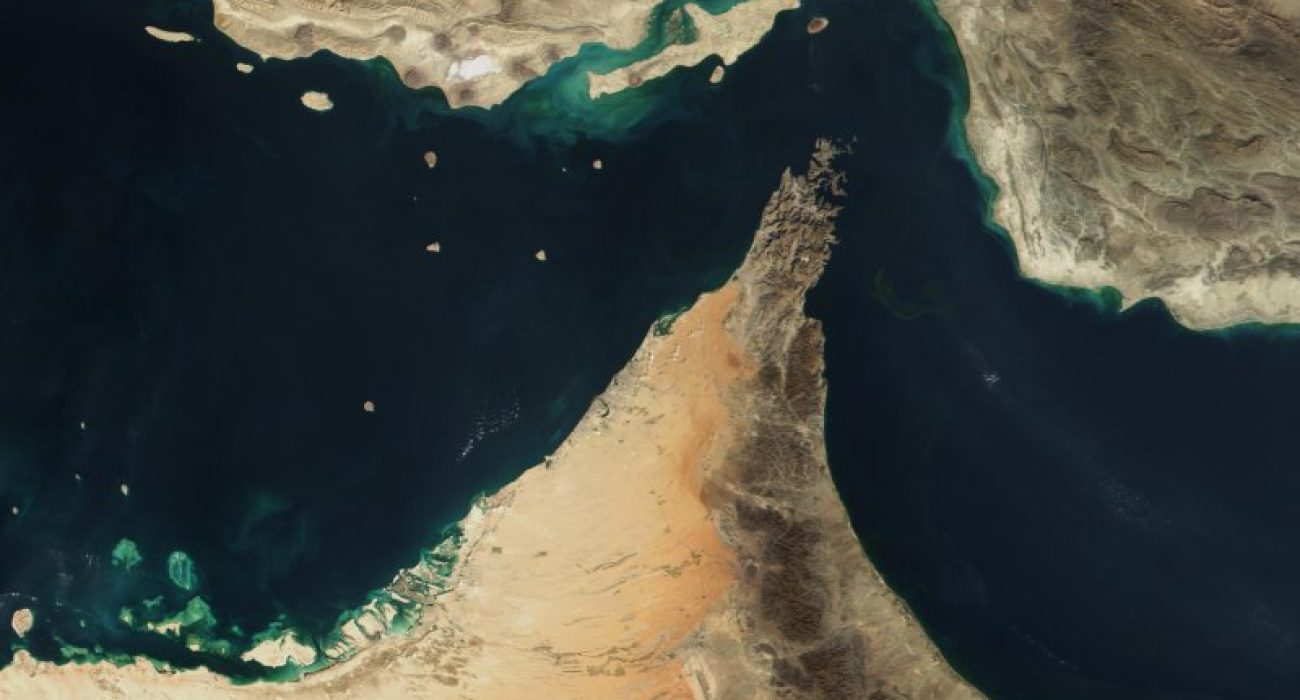
Satellite image of the Strait of Hormuz, one of the world’s most important maritime shipping corridors. Credit: Jacques Descloitres, MODIS Land Rapid Response Team, NASA GSFC.
The United States has released updated navigation guidance for commercial vessels operating in the Strait of Hormuz as geopolitical tensions with Iran continue to affect regional maritime security. The advisory targets U.S. flagged ships and focuses on reducing operational risk in one of the world’s most critical shipping corridors.
The Strait of Hormuz handles a large share of global oil and cargo traffic. Any disruption in this narrow waterway can quickly affect energy markets and international trade. U.S. authorities say the revised guidance responds to an elevated threat environment linked to ongoing disputes with Iran over its nuclear program.
Operational Measures for Ship Operators
The guidance instructs masters of U.S. flagged vessels to avoid Iranian territorial waters whenever safe navigation allows. This recommendation is especially relevant during eastbound transits. Operators should also keep the Automatic Identification System active unless naval authorities direct otherwise.
If Iranian forces request to board a vessel, crews should refuse while clearly stating their rights under international law. If a boarding occurs, crews should not resist with force. The advisory stresses that non violent compliance under pressure does not equal legal consent to the action.
Communication and Security Procedures
Vessel masters are advised to maintain clear communication when challenged by Iranian units. Ships should identify themselves and state their legal position in a calm and professional manner. The guidance also encourages coordination with U.S. Naval Forces in the region and routine reporting to established maritime security channels such as UK Maritime Trade Operations.
Before entering the Strait of Hormuz, operators should carry out detailed risk assessments. The advisory outlines steps for responding to suspicious activity, including activating onboard security systems and contacting naval authorities without delay.
Strategic Background
The update comes as Washington and Tehran continue indirect talks over nuclear issues. Iran has previously warned it could restrict traffic in the strait and has seized foreign vessels in past incidents. These events highlight the persistent security sensitivity of this key maritime chokepoint and the need for strict voyage planning by commercial shipping companies.