U.S. Reviews Tanker Insurance Backstop as Gulf Shipping Risks Intensify
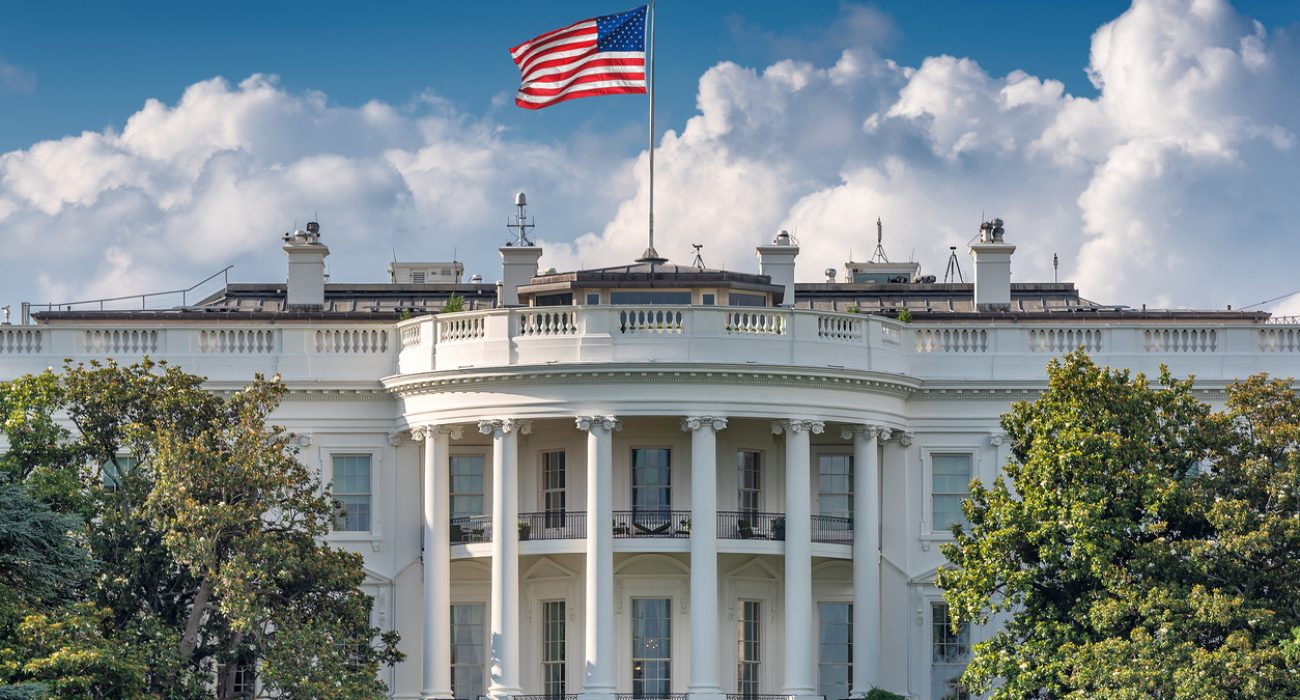
The White House in Washington, where officials are weighing federal support for tanker insurance as war risk premiums surge in the Gulf. Source: iStock
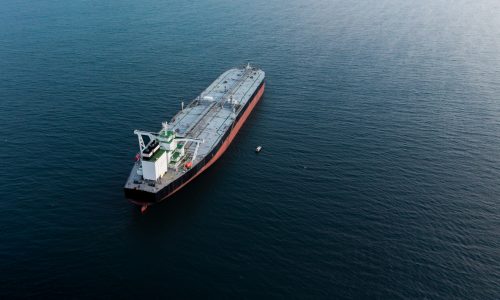
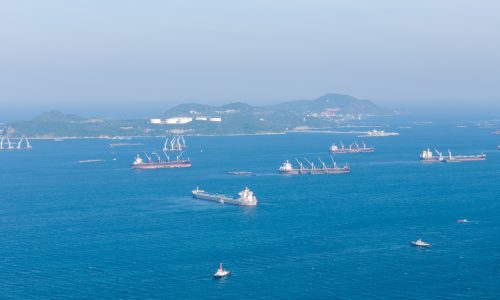
The U.S. administration is actively examining a federal backstop for tanker insurance as security threats in the Gulf disrupt crude oil shipping. Officials aim to prevent further instability in global energy markets and protect vessel transits through the Strait of Hormuz.
War risk premiums for tankers have climbed sharply in recent days. Some marine insurers have reduced capacity or declined new cover for voyages in high risk Gulf waters. As a result, shipowners and charterers face rising costs and tighter insurance availability.
War Risk Premiums Pressure Crude Shipping
Roughly one fifth of global oil supply moves through the Strait of Hormuz. Any restriction on tanker insurance directly affects crude flows, freight rates, and bunker costs. Market participants already price in higher risk exposure for Gulf transits.
Senior officials plan to present policy options to the president this week. The proposals focus on temporary federal support for marine war risk insurance if commercial markets fail to provide sufficient coverage. A government guarantee could stabilise underwriting capacity and reassure tanker operators.
Strategic Energy and Political Stakes
Energy price volatility remains a key concern for policymakers. Higher crude prices feed inflation and strain supply chains. The administration has also discussed using the Strategic Petroleum Reserve if shipping disruptions tighten supply further.
The United States has intervened before when insurance markets withdrew from high risk maritime zones. During the Iran Iraq conflict in the 1980s, Washington reflagged tankers and deployed naval escorts. Federal authorities also supported critical insurance markets after the September 11 attacks.
Industry Impact and Next Steps
For shipowners, P and I clubs, and marine underwriters, clarity on a tanker insurance backstop would reduce uncertainty. Without federal involvement, additional premium spikes or coverage gaps could disrupt Gulf shipping and global crude trade.
A formal decision could shape tanker insurance markets and maritime risk pricing in the coming weeks.