U.S. Trade Court Clears Path for Import Tariff Refunds
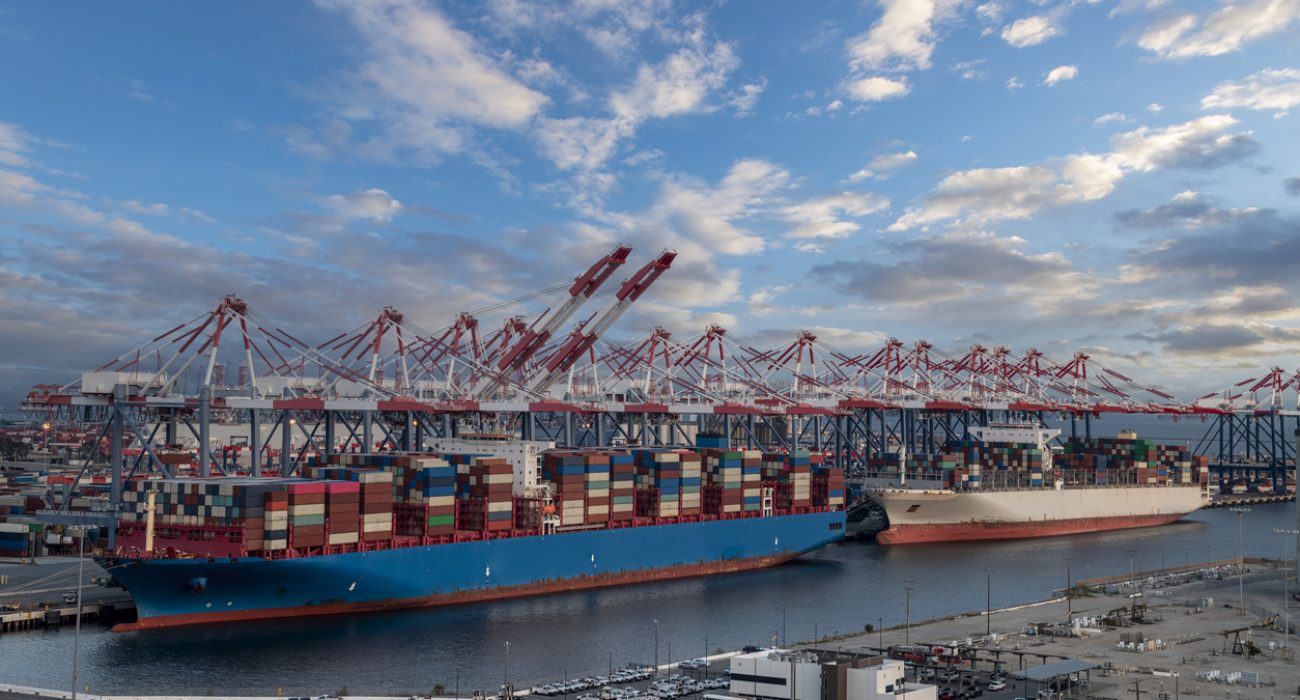
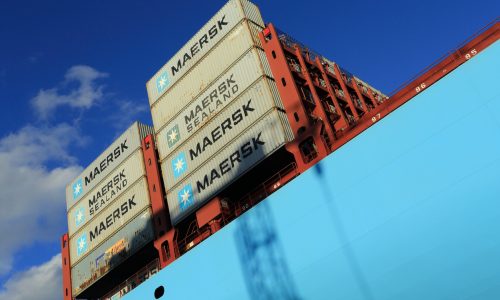
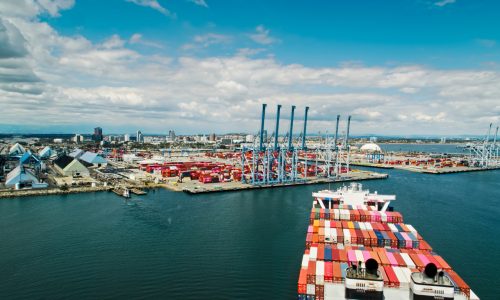
Container ships operate at terminals in the Port of Long Beach, one of the largest U.S. gateways for import cargo and a key hub for maritime trade affected by U.S. tariffs. Photo: iStock
A recent ruling from the U.S. Court of International Trade could allow American importers to recover billions of dollars in duties collected under emergency tariff authority. The decision has drawn strong attention across global shipping and supply chains.
The order follows a U.S. Supreme Court ruling that determined the tariffs were imposed unlawfully under the International Emergency Economic Powers Act.
Court Orders Customs to Recalculate Import Duties
On March 4, Judge Richard K. Eaton issued an order in the case Atmus Filtration, Inc. v. United States. The decision instructs U.S. Customs and Border Protection to remove the disputed tariffs when processing affected import entries.
First, Customs must finalize any entries that have not yet reached the liquidation stage without applying the tariffs. Meanwhile, officials must reopen certain entries that were already liquidated but have not reached final legal status. Customs must then recalculate the duties without the tariffs.
As a result, many importers may now qualify for refunds on duties paid under the invalidated trade measure.
Billions in Tariff Refunds Possible
Trade analysts estimate that U.S. companies paid billions of dollars in tariffs under the IEEPA program through the end of 2025. These estimates rely on trade data from the U.S. Census Bureau and tariff schedules from the U.S. International Trade Commission.
If a large number of entries remain eligible for adjustment, the total refund amount could be significant. In addition, the outcome will depend on how quickly Customs can review the entries and process the recalculations.
Shipping Industry Monitoring Implementation
However, companies should not expect immediate payments. Customs must first identify eligible shipments and update the duty calculations.
Some entries will not qualify. If liquidation has already become legally final under U.S. customs law, importers may not recover the duties.
Therefore, the maritime sector is watching closely. Ocean carriers, freight forwarders, and import dependent industries now await details on how federal authorities will implement what could become one of the largest tariff refund processes in U.S. trade history.