The United States has issued a broad authorization allowing U.S. companies to operate in Venezuela’s oil sector, marking a shift in sanctions policy as Washington seeks to increase global crude supply.
The U.S. Treasury introduced a general license that permits transactions with state oil company PDVSA. The measure allows American firms and partners to engage in production, exports and commercial activity under defined conditions, while key restrictions remain in place.
Sanctions eased under controlled framework
The authorization does not lift sanctions imposed on Venezuela since 2019. Instead, it creates a structured framework that allows limited business activity.
Companies must follow U.S. regulations and process payments through approved financial channels. Authorities continue to restrict transactions involving sanctioned entities and non compliant structures.
This approach allows Washington to support oil flows while maintaining oversight of financial and commercial operations linked to Venezuela.
Output recovery remains constrained
U.S. officials aim to attract investment and support production growth in Venezuela, which holds some of the world’s largest crude reserves.
Exports have already moved closer to pre sanction levels, but further increases will depend on infrastructure upgrades and operational improvements. Years of underinvestment continue to limit the speed of recovery.
Energy market pressure drives policy shift
The decision reflects broader efforts to stabilize global oil markets during a period of supply disruption. Additional Venezuelan barrels could help ease pressure on crude prices and support international supply.
Recent regulatory changes in Venezuela have also created more favorable conditions for foreign partners. These changes allow greater operational control and improve revenue structures, encouraging new agreements.
Tanker market impact comes into focus
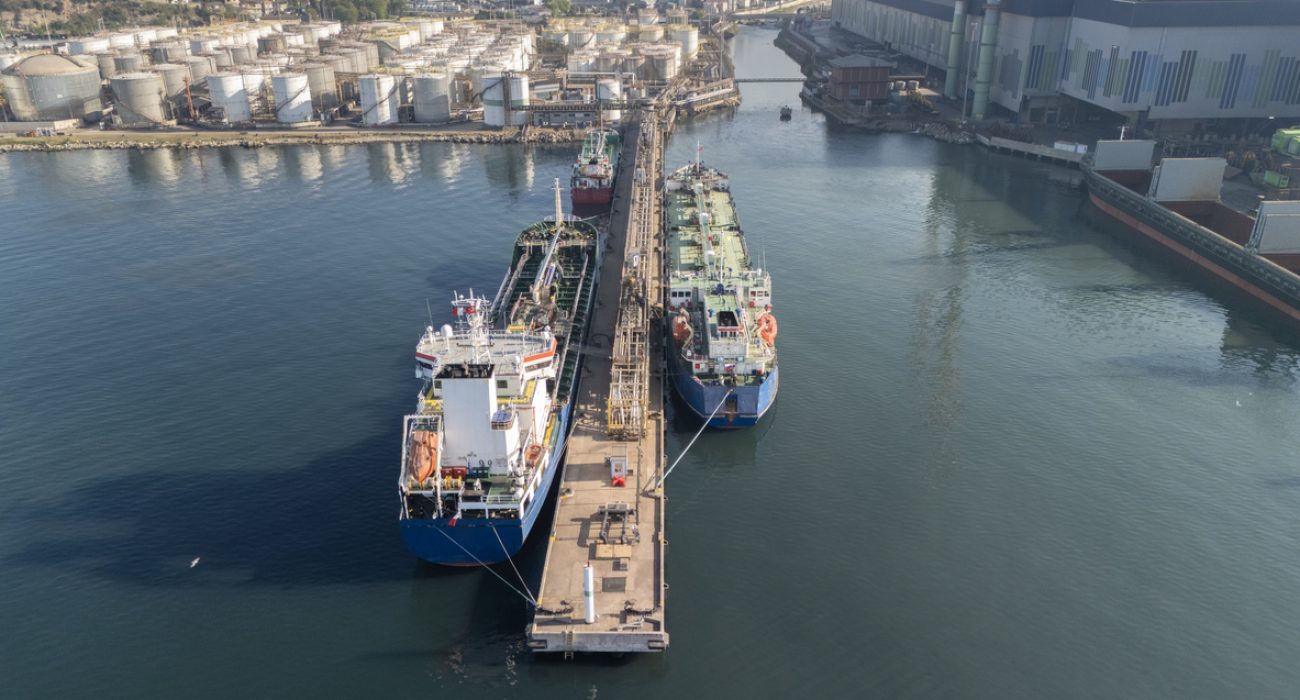
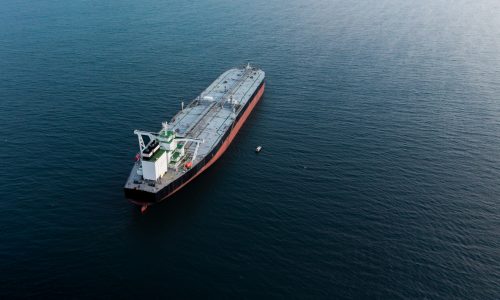
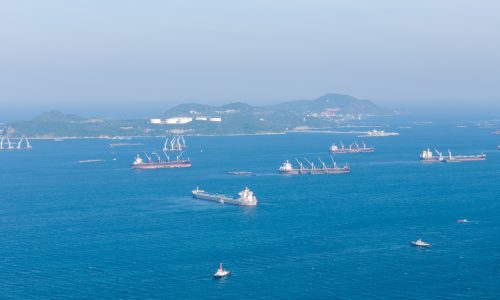
Higher export volumes from Venezuela could increase demand for tanker shipping, especially for heavy crude shipments to U.S. refiners and other international buyers.
Energy companies and trading houses are assessing opportunities to expand activity. However, legal risks, infrastructure limits and political uncertainty may slow progress in the near term.
The policy signals a gradual return of Venezuelan crude to global trade, with direct implications for tanker demand, cargo flows and regional shipping patterns.