The United States has temporarily eased sanctions rules to allow Russian crude shipments already at sea to reach Indian ports. The move aims to prevent disruption to global oil supply during a period of rising geopolitical tension.
The US Treasury Department confirmed that Indian refiners may receive Russian origin crude and petroleum products loaded onto tankers before March 5, 2026. The authorization lasts 30 days and expires at 12:01 a.m. EDT on April 4, 2026.
The exemption was issued by the Office of Foreign Assets Control through Russia related General License 133. It authorizes transactions required to complete tanker voyages that began before the cutoff date.
Limited Window for Cargoes Already in Transit
The waiver applies only to cargoes loaded before the March 5 deadline. Shipments must discharge at ports in India and the buyer must be a company organized under Indian law.
The authorization also covers operational services normally required during a tanker voyage. These include bunkering, crewing, vessel management, insurance, classification services, port operations, pilotage, and salvage support. Activities necessary for vessel safety, crew welfare, and environmental protection are also permitted.
US authorities described the measure as a temporary step designed to prevent crude shipments already on the water from becoming stranded due to sanctions restrictions.
Washington Seeks to Stabilize Oil Supply
According to US Treasury officials, the waiver helps maintain oil flows to global markets while limiting new revenue streams for Russia. The license applies only to crude already loaded before the deadline.
The policy does not authorize new Russian oil shipments. As a result, Washington expects the financial impact on Moscow to remain limited.
Officials also indicated that the United States expects India to increase purchases of American energy supplies in the future.
Implications for Tanker Shipping
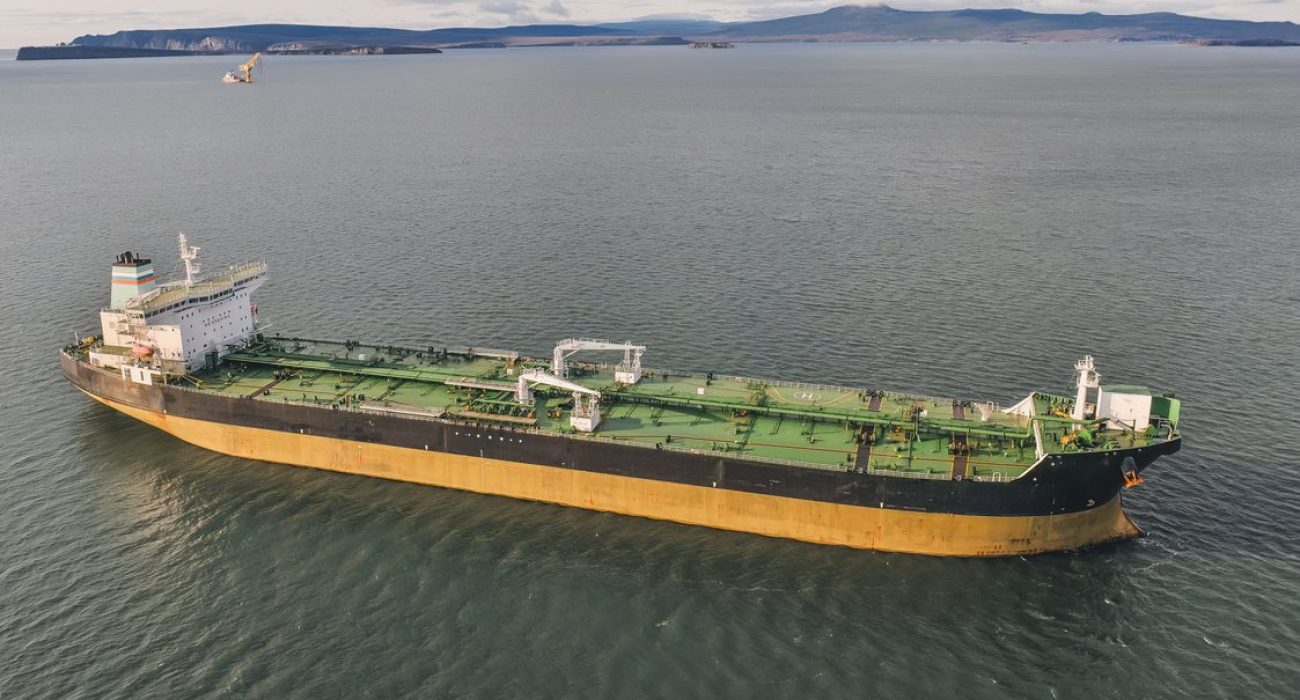
For the tanker market, the waiver allows a limited number of vessels carrying Russian crude to complete ongoing voyages without breaching US sanctions. Some of these cargoes may involve ships linked to the so called shadow fleet used to transport sanctioned Russian oil.
The decision comes as tensions in the Middle East raise concerns about potential supply disruptions, especially for cargoes transiting the Strait of Hormuz.
Data from shipping association BIMCO shows India accounted for roughly one third of Russia’s seaborne crude exports in 2025. However, Indian imports of Russian oil fell 34 percent year on year during the first five weeks of 2026 as sanctions pressure and shifting trade flows began to reshape global energy markets.