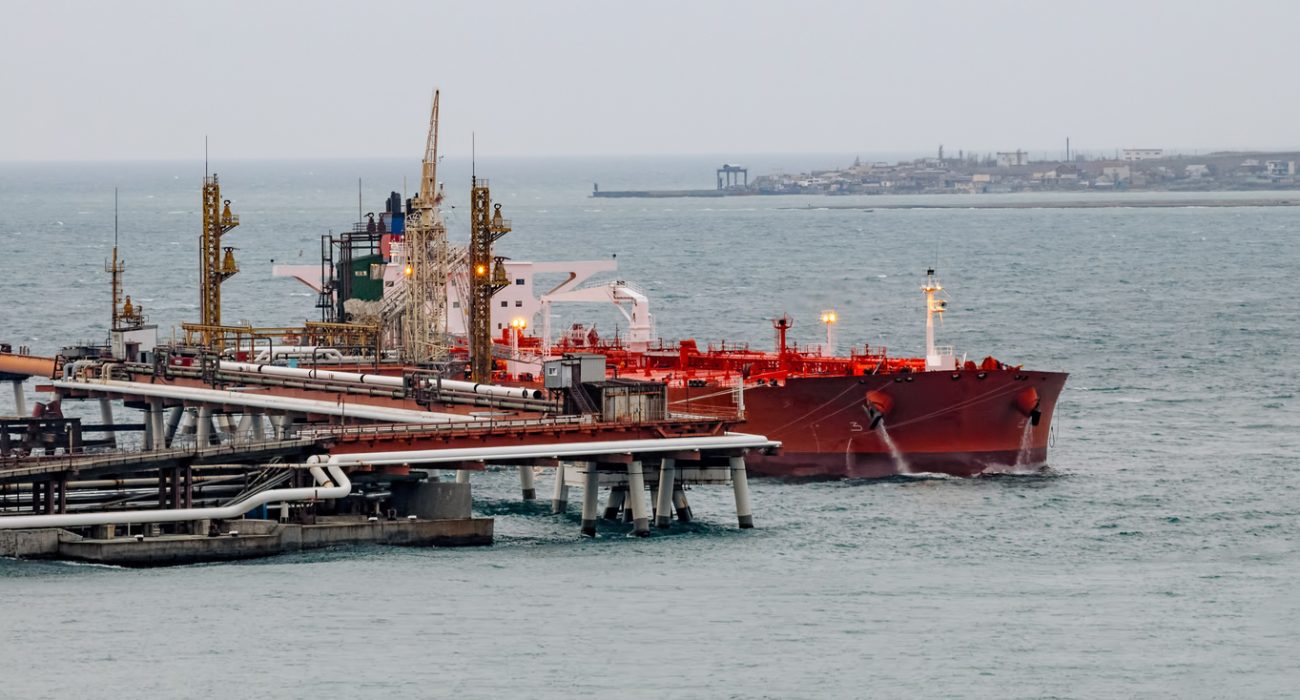
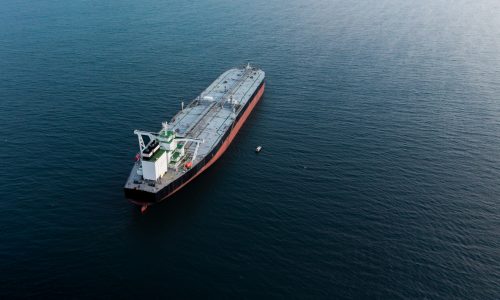
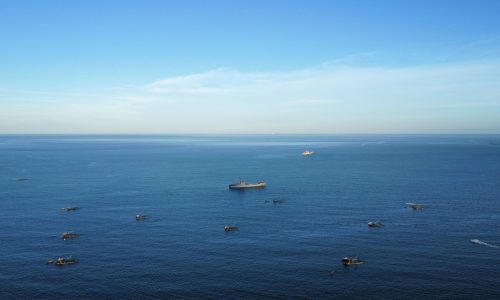
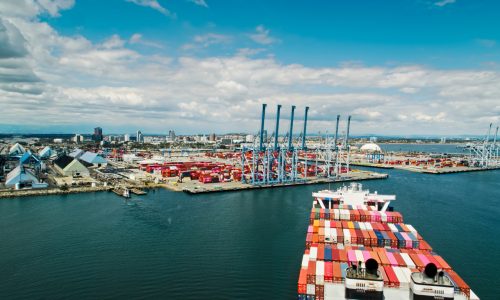
The United States has issued a temporary authorization allowing Russian crude oil and petroleum products that are already loaded on vessels to be delivered and sold. The measure applies only to cargoes that were at sea when the license was issued and is intended to prevent further disruption in global energy markets.
The U.S. Treasury released the authorization on March 12. It grants a 30 day window for these shipments to reach buyers and complete transactions. The license will expire on April 11.
Oil Market Stability Drives Decision
Officials said the move aims to reduce pressure on global oil supply during a period of geopolitical tension and market volatility. Energy markets have reacted strongly to the conflict involving Iran and the risk of disruption to key shipping routes.
Crude prices briefly surged to around 120 dollars per barrel earlier in the week before easing. Prices had traded closer to 67 dollars per barrel before the latest escalation in regional tensions.
Market forecasts have become increasingly uncertain. Some energy producers have warned that crude could rise toward 150 dollars per barrel if supply disruptions intensify. Iranian officials have suggested that prices could climb as high as 200 dollars per barrel under extreme conditions.
Large Volumes of Oil Remain on Tankers
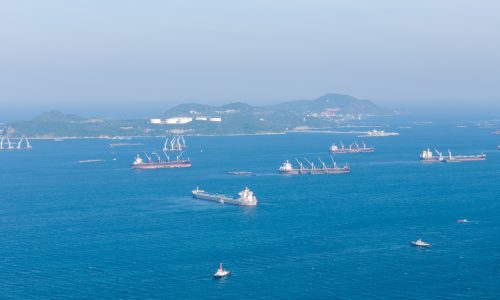
The authorization applies to Russian oil cargoes that were already loaded on tankers by March 12. U.S. officials estimate that at least 60 million barrels could fall under the exemption.
Shipping data shows that about 36 million barrels are currently held on vessels that are subject to sanctions. Another 24 million barrels are believed to be carried by other tankers in the global fleet.
Russian officials have suggested the volume could be much higher. Some estimates indicate the total could approach 124 million barrels. Even at that level, the volume would represent only about five to six days of global oil demand.
Shadow Fleet Dominates Russian Oil Transport
Russian oil exports continue to rely heavily on tankers operating outside the mainstream shipping market. Analysts estimate that about 56 percent of Russian crude shipments last month were transported by vessels linked to the so called shadow fleet.
Investigations have also identified dozens of tankers operating under false flags. In one group of 63 vessels, 23 ships delivered oil cargoes valued at more than 920 million dollars.
International Reaction and Policy Debate
U.S. officials argue the temporary waiver will not significantly increase Russian revenue because most energy tax payments are collected when oil is produced rather than when it is sold.
However, the decision has triggered criticism from several governments. European Union members and the United Kingdom said they do not plan to adopt a similar approach. Ukrainian officials warned the policy could generate up to 10 billion dollars in additional income for Moscow.
The waiver comes as Washington pursues other measures aimed at easing energy market pressure. These include the release of 172 million barrels from the Strategic Petroleum Reserve and discussions about temporarily relaxing the Jones Act to support domestic fuel transport.