U.S. Naval Reinforcement Signals Focus on Middle East Sea Lane Security
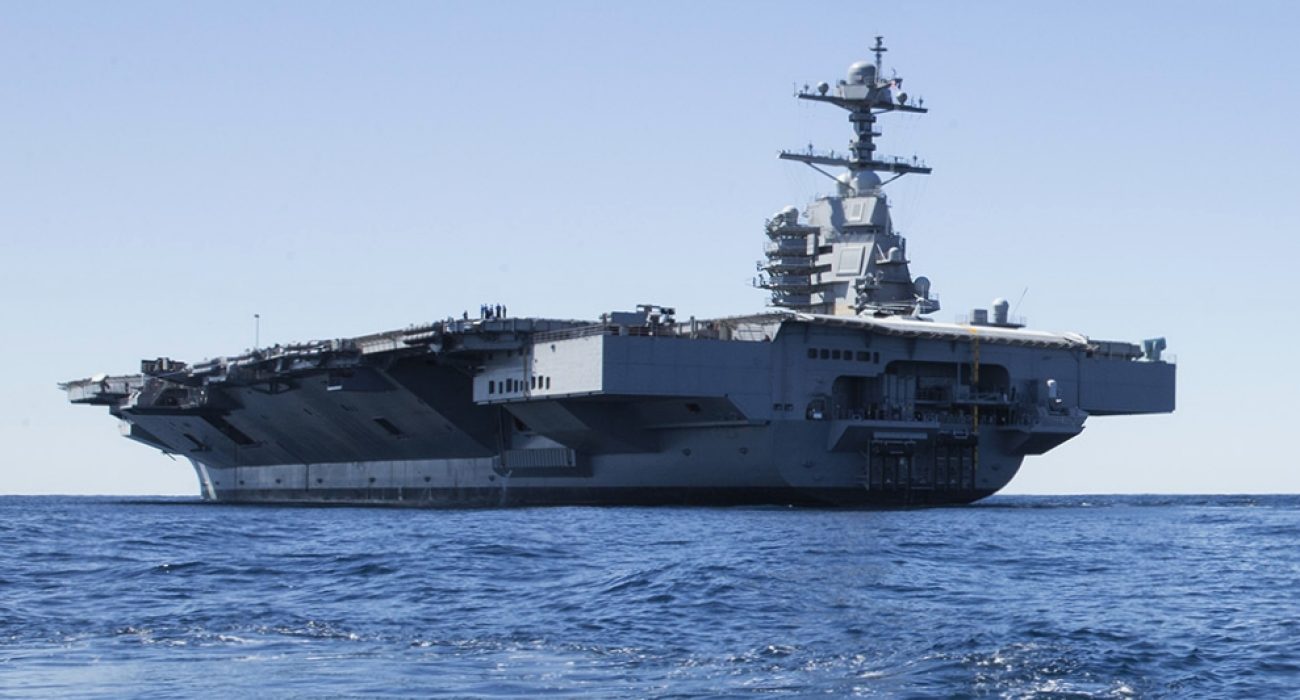
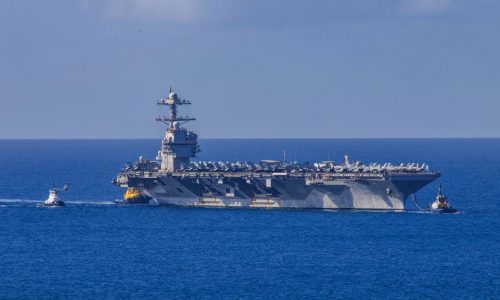
USS Gerald R. Ford underway at sea on April 9, 2017, illustrating the vessel’s deployment and naval presence relevant to Middle East maritime security. Photo: U.S. Navy / Wikimedia Commons
Heightened naval activity is returning to the Middle East as the United States prepares to deploy the aircraft carrier USS Gerald R. Ford and its accompanying strike group to the region.
The move places one of the U.S. Navy’s most advanced carrier formations near some of the world’s most commercially significant shipping corridors. The Middle East anchors global energy transport, with crude oil and petroleum products transiting daily through constrained waterways that underpin international trade flows.
Carrier Presence Near Strategic Chokepoints
The USS Gerald R. Ford leads a full carrier strike group composed of guided missile destroyers and support vessels. The formation delivers layered air defense, maritime strike capability and sustained operational reach.
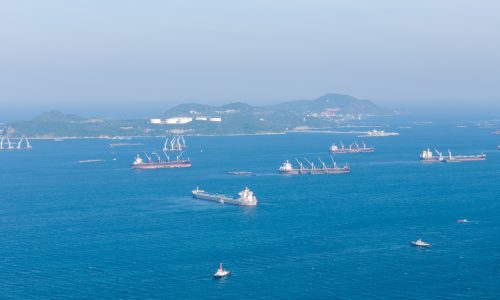
Its arrival will increase U.S. naval presence near the Strait of Hormuz and adjacent Gulf routes. These sea lanes handle a substantial share of global oil exports and remain critical to tanker operators, LNG carriers and container shipping networks.
Carrier deployments are a standard instrument of U.S. power projection. However, timing and location often reflect shifting security assessments.
Implications for Commercial Shipping
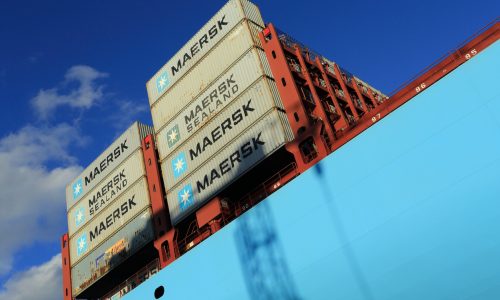
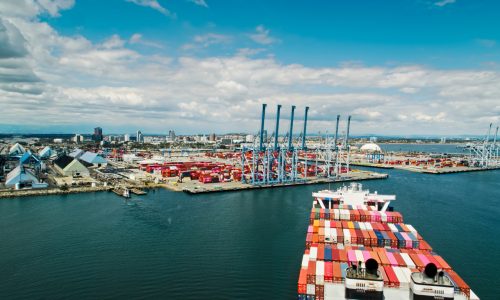
For the maritime industry, naval deployments in the Gulf region intersect directly with operational planning. Shipowners, charterers and marine insurers closely track military posture in areas exposed to geopolitical tension.
An expanded naval footprint can deter escalation and reassure markets. At the same time, heightened military positioning can underscore underlying volatility, affecting freight rates, war risk premiums and voyage routing decisions.
Strategic Signal to Regional Actors
The USS Gerald R. Ford is the lead vessel of the Navy’s newest carrier class and represents a significant technological upgrade over previous platforms. Its deployment sends a clear message about U.S. commitment to maintaining freedom of navigation and maritime stability.
As global trade continues to rely on uninterrupted sea transport, naval force posture in key energy corridors remains closely linked to commercial shipping confidence. The movement of a carrier strike group into the Middle East therefore carries both military and maritime economic significance.