Valero set to import major volumes of Venezuelan crude in March
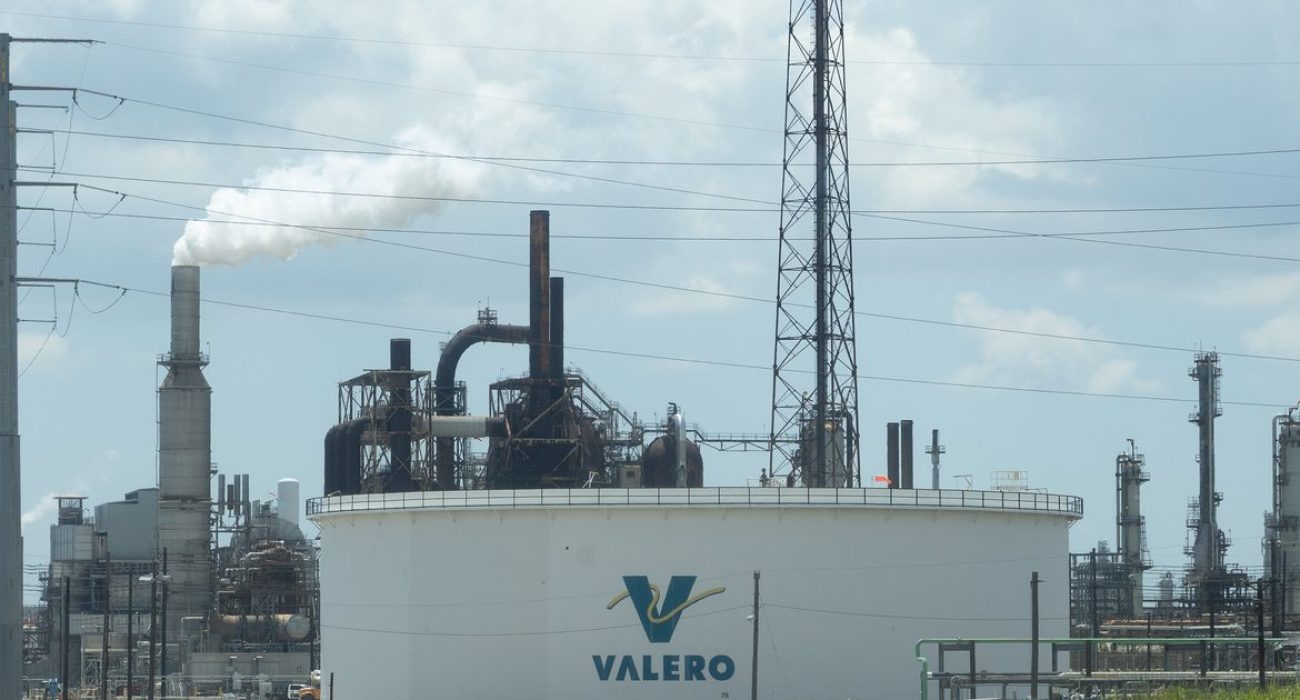
Valero Energy refinery in Port Arthur, Texas. The facility is configured to process heavy crude oil imported to the US Gulf Coast, including renewed Venezuelan supplies. Photo: iStock.
US refiner Valero Energy plans to import up to 6.5 million barrels of Venezuelan crude oil in March, according to industry sources. If delivered as scheduled, the cargoes would average roughly 210000 barrels per day during the month.
The planned intake would make Valero the largest US processor of Venezuelan crude since Washington imposed oil sanctions in 2019. The development signals a meaningful shift in Atlantic basin oil trade flows and tanker deployment patterns.
Gulf Coast refiners regain heavy crude supply
Valero’s Gulf Coast refineries are configured to process heavy sour crude grades. Venezuelan barrels historically played a central role in those feedstock slates. Sanctions disrupted that supply, forcing refiners to source alternative heavy grades from Latin America and the Middle East.
The renewed imports follow recent adjustments in US licensing policy that allow limited Venezuelan oil trade under defined authorizations. A broader oil supply arrangement valued at approximately 2 billion dollars has also supported the resumption of exports.
Tanker demand likely to strengthen in the Caribbean
Chevron, which maintains operations in Venezuela under US authorization, is expected to supply a significant share of the crude. Trading houses including Trafigura are also arranging cargoes.
For shipping markets, the resumption of Venezuelan exports to the United States restores a previously dormant trade lane. Aframax and Suezmax tankers are positioned to benefit, as these vessel classes dominate Caribbean to Gulf Coast voyages. Increased short haul liftings could tighten regional tonnage availability and influence freight rates in the Atlantic tanker market.
Compliance oversight remains critical
Despite relaxed restrictions, Venezuelan crude trade remains tightly regulated. Each shipment must comply with current US authorization frameworks. Charterers, insurers and shipowners continue to apply enhanced due diligence when fixing vessels for these cargoes.
If volumes remain consistent beyond March, the trade could re establish a stable crude corridor between Venezuelan loading ports and US refining hubs. That would reshape regional tanker logistics and reinforce heavy crude supply security for Gulf Coast refiners.