Marine insurers have cancelled war risk insurance for vessels trading in Iranian waters and nearby Gulf areas. The decision follows a sharp escalation in the conflict involving Iran, the United States, and Israel. The cancellations take effect from March 5, 2026.
As a result, shipowners face immediate exposure if they continue operating in affected zones. They must now arrange alternative cover or suspend voyages.
Major P&I Clubs Confirm Cancellations
Several leading protection and indemnity providers issued formal notices to members. These include Gard, Skuld, NorthStandard, London P&I Club and the American Club.
The withdrawal applies to Iranian territorial waters and certain surrounding sea lanes. Therefore, owners planning port calls or transits in the region must reassess risk and compliance.
In addition, MS&AD Insurance Group suspended war risk underwriting for voyages near Iran, Israel, and neighboring states. One insurer said it is reviewing possible buy back options, although terms are expected to tighten.
Strait of Hormuz Shipping Disrupted
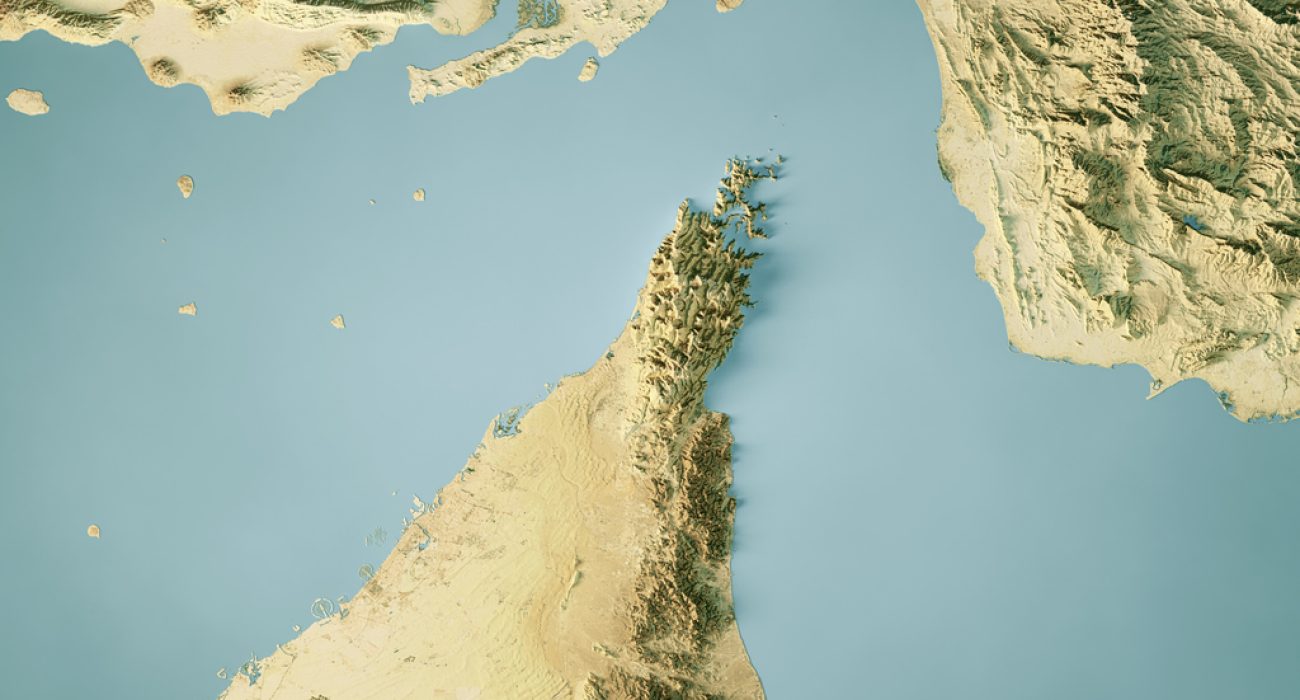
The insurance move follows severe disruption around the Strait of Hormuz. This passage carries roughly one fifth of global oil and gas exports.
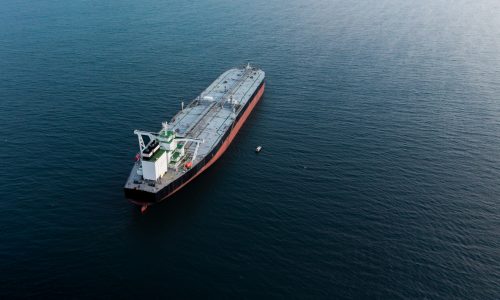
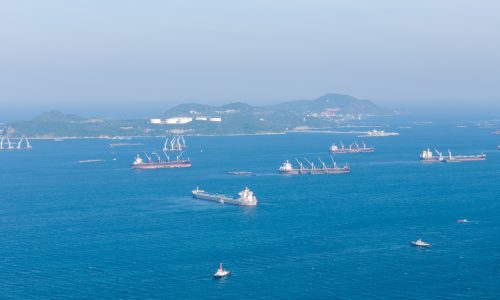
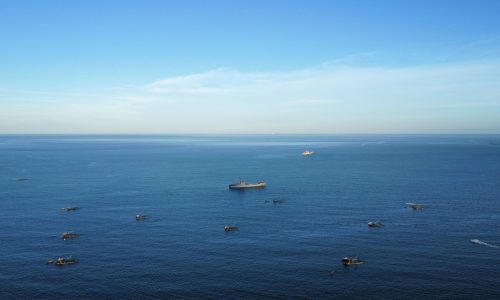
Military strikes and counter actions have halted navigation through the corridor. Consequently, vessel tracking data shows about 150 crude and LNG carriers waiting at anchor. Many owners prefer to delay transit rather than expose crews and assets to heightened risk.
Tanker Markets and Freight Rates React
Security incidents have already damaged several vessels. At least one seafarer has been reported killed along Gulf coastlines. Meanwhile, energy companies and commodity traders have paused shipments of crude, refined products, and liquefied natural gas through the strait.
As insurance capacity tightens, premiums are set to rise. Freight rates on key Middle East routes have already increased. If tensions continue, both marine insurance markets and global tanker supply chains will remain under pressure.