White House Rolls Out Maritime Action Plan to Rebuild U.S. Shipping Power
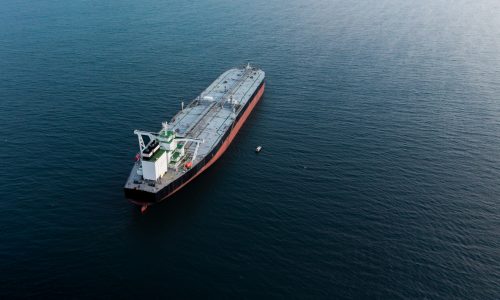
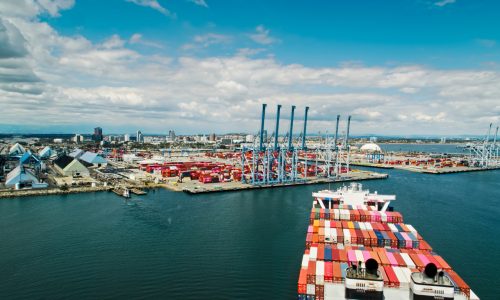
The White House announced a federal Maritime Action Plan designed to strengthen U.S. shipyards, workforce development and cargo preference policy. Photo: Tom Fisk / Pexels
The White House has published America’s Maritime Action Plan, a federal strategy aimed at restoring U.S. maritime capacity and strengthening domestic shipbuilding. The document follows the April 2025 executive order on restoring maritime dominance and outlines a coordinated approach to rebuild the merchant marine, expand shipyard output and secure long term supply chain resilience.
Reversing Decline in U.S. Shipbuilding
The administration acknowledges that U.S. shipbuilding capacity has eroded for decades. Only a limited number of active yards remain, and production levels trail major global competitors. Officials argue that this imbalance weakens economic security and reduces surge capacity during national emergencies.
The plan sets out measures to increase vessel construction in U.S. yards, modernize procurement practices and reduce regulatory barriers that slow projects. It also calls for expanded maritime workforce training and education to address labor shortages across shipbuilding and seafaring roles.
Funding Through Maritime Security Trust Fund
A central pillar of the strategy is the proposed Maritime Security Trust Fund. The fund would draw revenue from new fees applied to foreign built vessels calling at U.S. ports. Over time, these fees could generate substantial capital to support shipyard investment, fleet expansion and mariner training programs.
The administration positions the trust fund as a long term financing mechanism designed to stabilize funding cycles that have historically undermined U.S. maritime policy.
Maritime Prosperity Zones and Industrial Clusters
The plan introduces the concept of Maritime Prosperity Zones. These targeted regions would attract maritime investment, encourage waterfront redevelopment and strengthen industrial clusters tied to shipping and ship repair. The goal is to anchor economic growth in coastal communities while reinforcing strategic capacity.
Expanding Cargo Preference and U.S. Flag Fleet
To stimulate demand for U.S. flagged tonnage, the plan proposes expanding cargo preference requirements for government related shipments. This move would guarantee more cargo for U.S. operators and improve fleet utilization.
As an interim measure, foreign built vessels could register under the U.S. flag to address near term capacity constraints while domestic construction scales up.
Industry stakeholders broadly support the initiative. However, they emphasize that congressional funding and legislative backing will determine whether the Maritime Action Plan delivers lasting structural change.