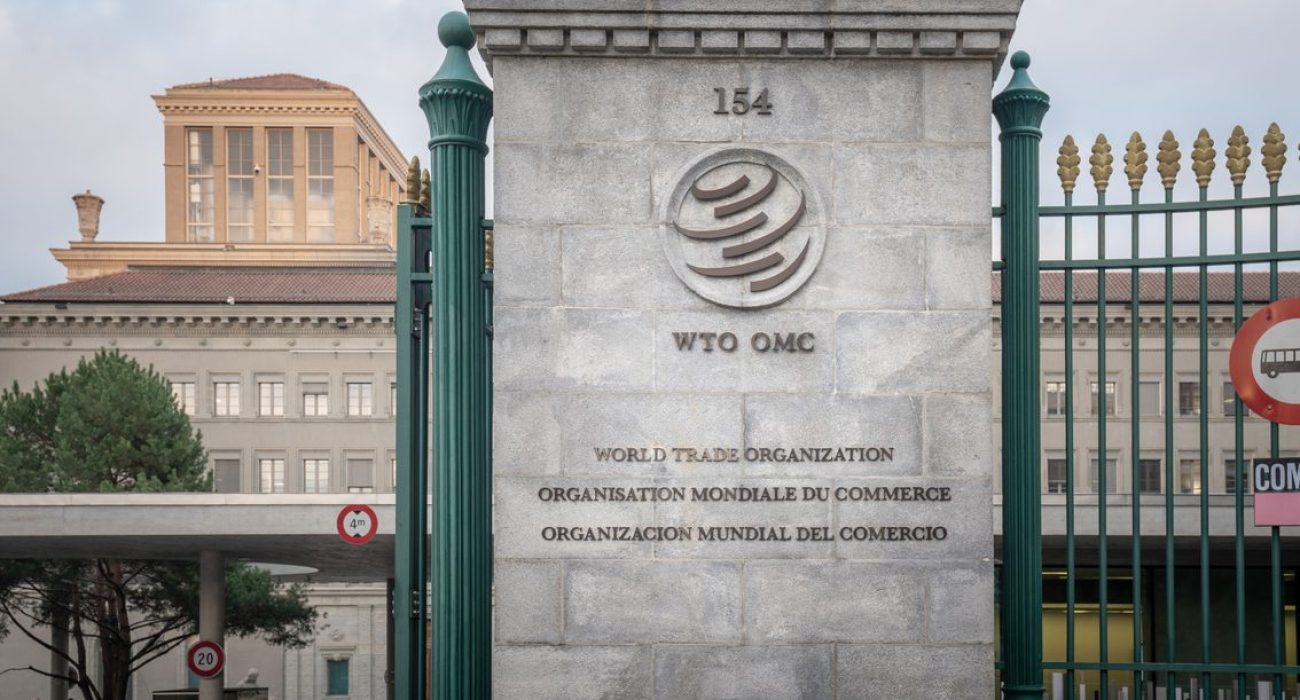
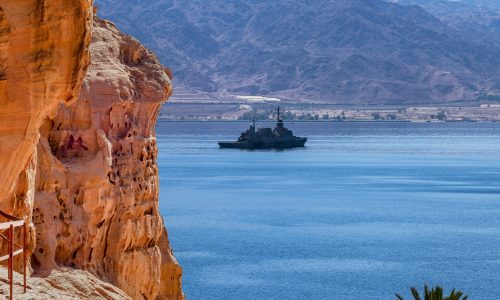
The World Trade Organization has raised concerns that escalating tensions in the Middle East could slow global trade growth, as disruptions to shipping routes and energy flows begin to intensify.
The warning reflects growing pressure on maritime transport through key chokepoints. The Strait of Hormuz remains central to global energy shipments, and ongoing attacks on commercial vessels are increasing uncertainty across shipping markets.
Trade outlook weakens as risks increase
The WTO said the current conflict could reduce global trade expansion if conditions continue to deteriorate. Higher energy prices and rising transport costs are already affecting trade flows.
In addition, uncertainty is forcing companies to reassess supply chains. Delays and route changes are becoming more common. As a result, the organization expects weaker trade momentum if the situation persists.
Shipping disruption drives market volatility
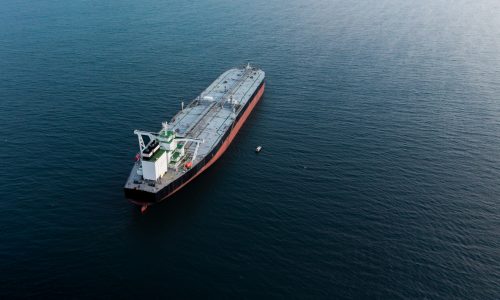
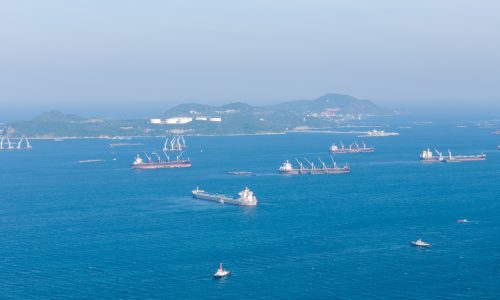
Maritime transport is at the center of the disruption. The Strait of Hormuz handles a significant share of global oil and gas shipments. However, recent attacks on vessels have raised safety concerns and limited traffic.
Shipowners and charterers are responding by avoiding high risk areas. Consequently, alternative routes are adding time and cost to voyages. Insurance premiums are also rising, which further increases pressure on freight markets.
Energy markets amplify the impact
Energy prices have reacted quickly to the growing instability. Oil markets remain sensitive to any disruption in Gulf exports. Therefore, even limited interruptions can push prices higher.
Higher fuel costs are feeding directly into shipping expenses. This trend is increasing freight rates and affecting trade competitiveness. As a result, both importers and exporters are facing higher costs.
Supply chains face renewed strain
The WTO warned that continued disruption could affect global supply chains. Businesses are already adjusting logistics strategies to manage risk. However, prolonged instability may force deeper structural changes.
The organization stressed that trade resilience will depend on stability in maritime transport and energy supply. It called for efforts to reduce tensions and protect critical shipping routes.