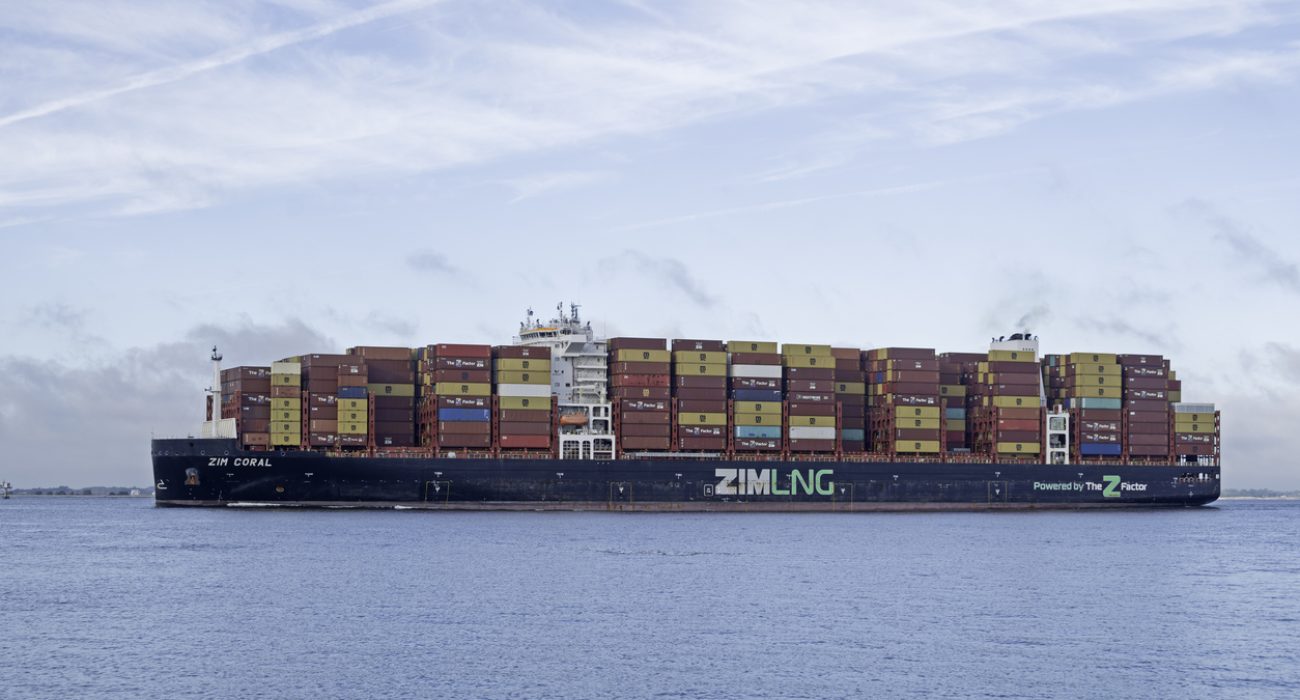
Unionised employees at ZIM Integrated Shipping Services have intensified strike action in Israel as opposition grows to the company’s planned acquisition by Hapag-Lloyd. The dispute centres on job security and the future structure of Israel’s national container carrier.
Around 80 percent of ZIM’s organised workforce has joined the walkout, according to union representatives. The action focuses on the company’s Israeli operations and headquarters in Haifa. Workers demand binding guarantees on employment terms before the 4.2 billion dollar transaction moves forward.
Restructuring Plan Triggers Layoff Concerns
Hapag-Lloyd intends to integrate ZIM into its global liner network if regulators approve the deal. As part of the plan, ZIM’s domestic container activities would transfer into a newly formed entity known as New ZIM.
The proposed unit would operate 16 vessels to maintain Israel’s maritime trade links. Union leaders argue that the structure could sharply reduce staffing levels. ZIM employs about 1,000 people. Labour officials claim that up to 900 positions could face risk if the new entity runs with a significantly smaller workforce.
The union questions whether New ZIM can sustain current employment levels or safeguard Israel’s long term shipping capacity.
Company Pledges Good Faith Talks
Hapag-Lloyd says it will negotiate in good faith with employee representatives. The German carrier also states that it plans to maintain a meaningful presence in Israel following completion of the acquisition. It has indicated that senior management and key headquarters staff would receive agreed protections.
ZIM has not provided detailed public figures on potential job reductions.
Strategic and Industry Implications
The strike unfolds as authorities review the cross border transaction. For Israel, the dispute raises questions about maritime sovereignty and continuity of essential container services.
For the wider container shipping sector, the situation highlights labour risk during major liner consolidation. As global carriers pursue scale and cost efficiency, workforce integration remains a critical execution challenge.