From Refugee to Shipping Entrepreneur
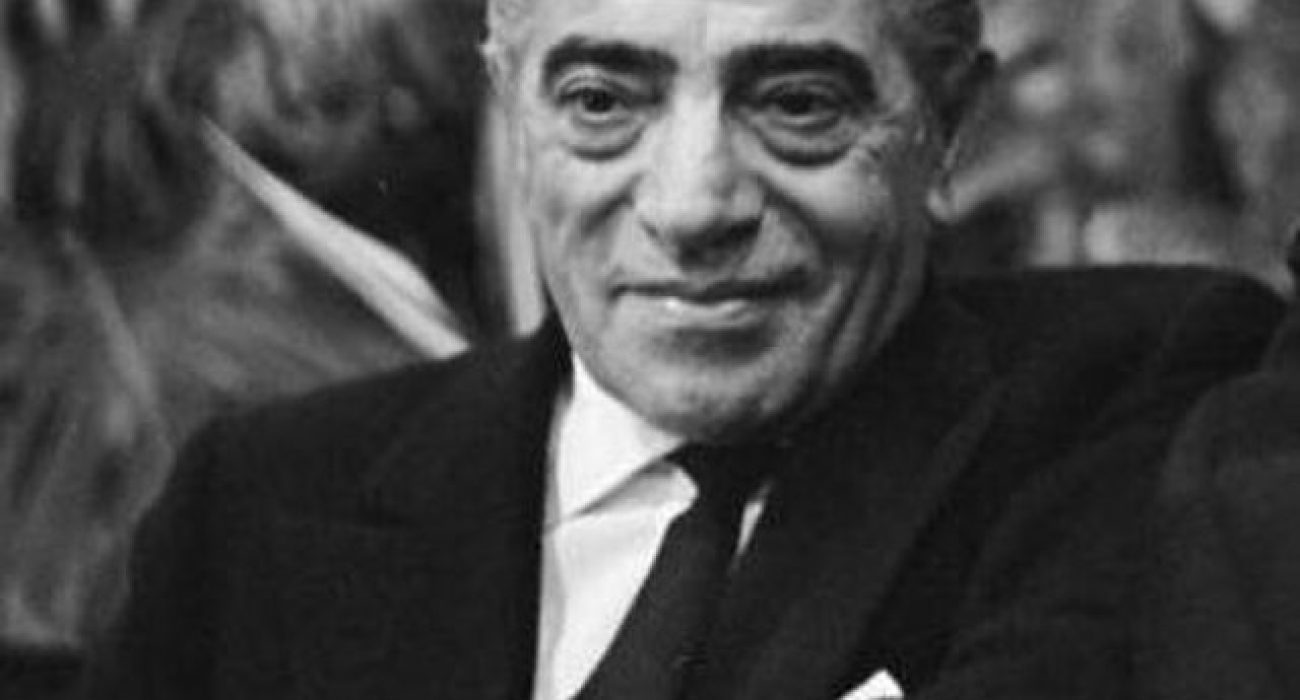
Aristotle Onassis remains one of the most legendary and controversial figures in maritime history and a central figure in global shipping history, not just because of the scale of his empire, but because he understood that shipping was not only about vessels and cargo, but also about finance, politics, and global power.
Born in 1906 in Smyrna (modern-day İzmir, Turkey), Onassis lost much of his family’s wealth following the Greco-Turkish War. As a young man, he emigrated to Argentina with little money but immense ambition. There, he began trading tobacco before turning his attention to shipping. He quickly recognized the industry as a gateway to international influence and long-term wealth.
Building a Tanker Empire
Onassis built his empire during a period of global upheaval. In the 1930s and 1940s, he acquired ships at low prices during economic downturns and wartime disruptions. He bet on the eventual recovery of global trade.
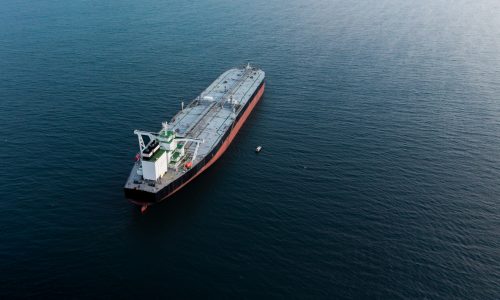
His boldest and most profitable move came with oil tankers. Anticipating the explosive growth of oil consumption after World War II, Onassis invested heavily in large tanker fleets and positioned himself ahead of many competitors.
Finance, Regulation, and Flags of Convenience
Equally significant was his approach to maritime finance and regulation. Onassis pioneered the use of flags of convenience, registering ships in countries with favorable tax and regulatory environments. This strategy reduced operating costs and reshaped international shipping practices, influencing how fleets are managed to this day. While controversial, the model later became standard across the industry.
Shipping as Geopolitical Power
Onassis also understood the geopolitical dimension of shipping. He negotiated directly with governments, oil companies, and heads of state. He famously secured exclusive agreements and concessions that strengthened his competitive edge.
These dealings often blurred the lines between business and diplomacy and reinforced his reputation as both a brilliant and ruthless operator.
Celebrity and Business Reality
Beyond shipping, Onassis became a global celebrity, known for his wealth, lifestyle, and high-profile relationships. Yet behind the headlines stood a disciplined businessman who believed that control of tonnage meant control of leverage. For him, ships were tools of economic power, not symbols of romance.
Today, Aristotle Onassis is regarded as one of the most influential figures in modern maritime business and tanker shipping history.
Legacy of a Maritime Strategist
Aristotle Onassis died in 1975, but his legacy endures across the maritime world. He helped modernize tanker shipping, redefined ship ownership structures, and demonstrated how maritime trade could shape global economics and politics.
Today, Onassis is remembered not just as a tycoon, but as a figure who elevated shipping into a central force of modern globalization.