A Life Shaped by the Coast
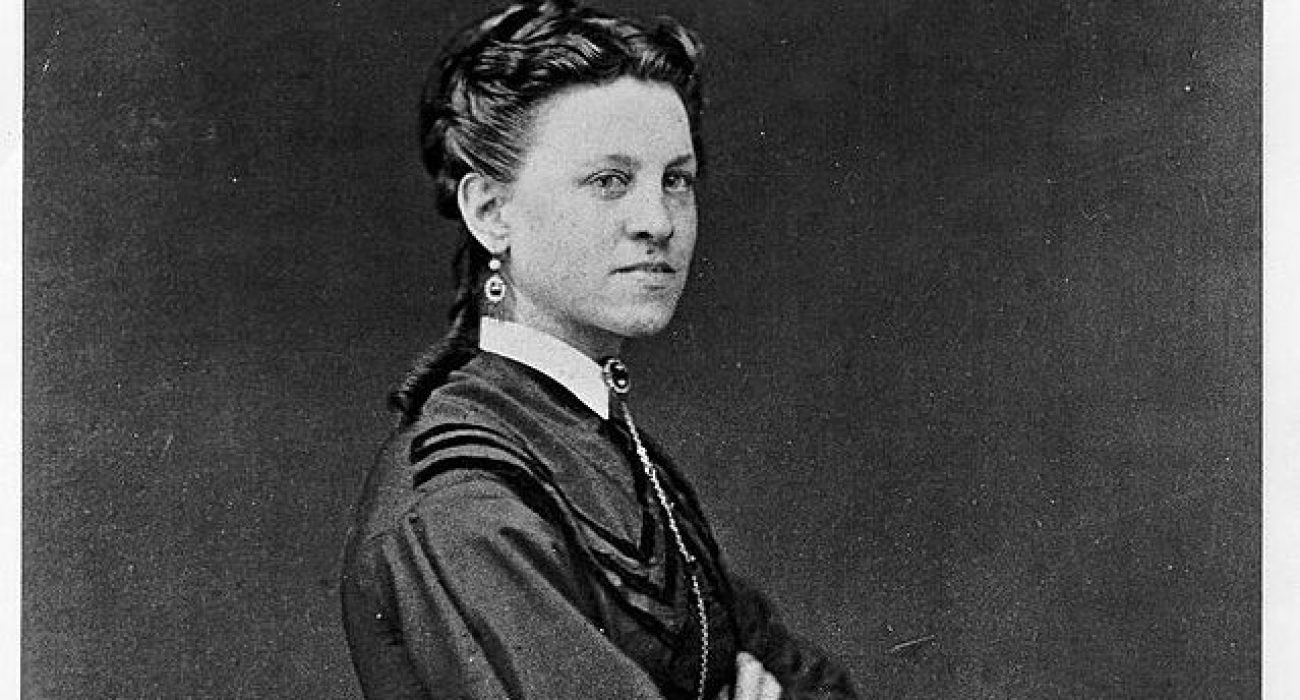
Historians remember Ida Lewis as one of the most remarkable figures in maritime safety history and a central figure in lighthouse history and coastal rescue. Her courage and sense of duty saved lives and reshaped public perceptions of responsibility along the coast.
Born in 1842 in Newport, Rhode Island, Lewis grew up near the water at a time when coastal navigation relied heavily on human vigilance rather than technology. Her life became inseparable from the Lime Rock Lighthouse, later renamed Ida Lewis Rock Light. Her father was appointed keeper in 1854. When he suffered a debilitating stroke soon after, Ida assumed responsibility for lighthouse operations, even though she held no official title at the time.
Daily Duty and First Rescues
Lewis’s daily responsibilities were demanding and unforgiving. She maintained the lighthouse lamp and ensured it remained lit through storms and fog. She also navigated rough waters to row her family to and from shore.
Her exceptional seamanship soon proved lifesaving. In 1858, at just 16 years old, she rescued four men who had capsized near the lighthouse. This incident marked the first of many rescues, all carried out in dangerous conditions and with little regard for her own safety.
A Record of Courage
Over the course of her life, Lewis saved at least 18 people from drowning, though some accounts suggest the number may have been higher. Her rescues were not dramatic, one-time heroics. Instead, they reflected constant readiness and immediate response to cries for help, capsized boats, and shipwrecks in treacherous waters.
Her calm efficiency earned national recognition. She received medals from the U.S. Life-Saving Service and praise from President Ulysses S. Grant.
Official Recognition and Service
In 1879, Lewis officially became keeper of the Lime Rock Lighthouse, making her one of the first women to hold such a position in the United States. She continued in this role for more than three decades.
Through her service, she showed that maritime safety depended not only on infrastructure, but also on dedication and human judgment.
Breaking Barriers at Sea
Lewis’s significance extends beyond the lives she saved. At a time when women rarely received recognition in maritime roles, she proved that competence, bravery, and authority at sea were not defined by gender.
Her story helped broaden acceptance of women in coastal and safety-related maritime work.
Today, Ida Lewis is regarded as one of the most important figures in maritime safety history and lighthouse service in the United States.
A Lasting Legacy
Ida Lewis died in 1911, but her legacy remains firmly anchored in maritime history. The lighthouse that bears her name stands as a symbol of vigilance and service.
Her life serves as a reminder that some of the most important guardians of the sea never commanded ships. Instead, they ensured that others returned safely home.