From Trucking to a Maritime Breakthrough
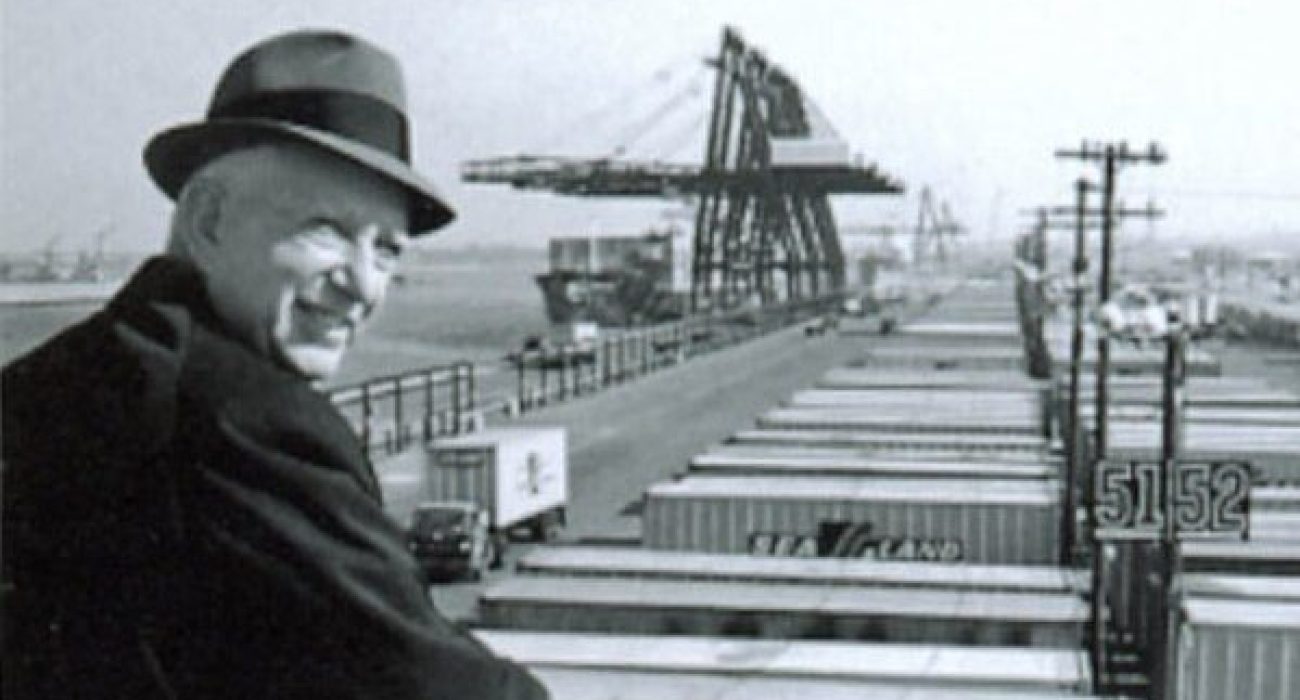
Malcolm McLean is widely regarded as one of the most important figures in maritime history and the pioneer of containerization in global shipping, not because he built the largest fleet or founded a famous shipping dynasty, but because he introduced an idea that fundamentally reshaped global trade: containerization.
Born in North Carolina in 1913, McLean began his career far from the decks of ships. He worked as a truck driver and entrepreneur and built a successful trucking company during the 1930s and 1940s. Over time, through years of hauling cargo, he became acutely aware of inefficiencies at ports, where workers manually loaded and unloaded goods piece by piece. As a result, ships often sat idle for days or weeks, while labor costs soared and cargo losses became common.
The Birth of Containerization
McLean’s breakthrough idea was deceptively simple: move standardized cargo boxes directly from trucks onto ships without unpacking them. In the early 1950s, he sold his trucking business and invested heavily in shipping, determined to bring this vision to life. However, despite strong resistance from port authorities, unions, and established shipping interests, McLean pushed forward.
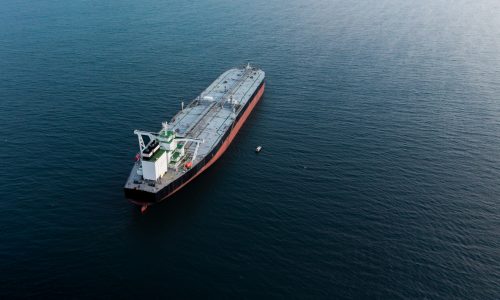
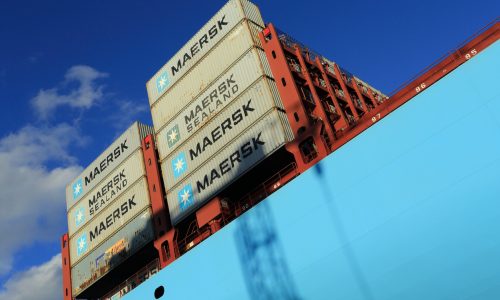
In 1956, his converted tanker, the Ideal X, sailed from New Jersey to Houston carrying 58 metal containers. The voyage marked the birth of modern container shipping. What followed was a logistical revolution. Standardized containers dramatically reduced loading times, slashed transportation costs, minimized theft, and improved cargo security. Consequently, ports, ship designs, and global supply chains adapted to this new system.
Sea-Land and Global Adoption
McLean’s company, Sea-Land, became a driving force in spreading containerization worldwide. In particular, adoption accelerated during the Vietnam War, when the U.S. military relied on containerized shipping to move supplies efficiently. By the 1970s, international bodies recognized container standards, cementing McLean’s innovation as the backbone of global commerce.
Impact on Global Trade
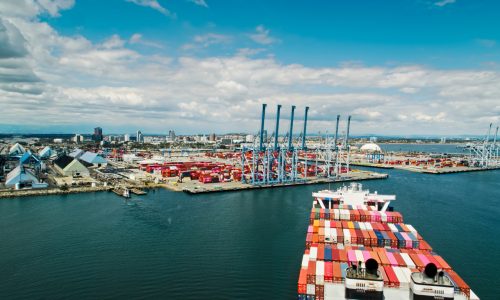
The impact of containerization cannot be overstated. In effect, it enabled globalization as we know it and made it economically viable to manufacture goods in one part of the world and sell them in another. Entire port cities transformed, traditional dock labor declined, and new maritime hubs emerged. Today, over 90 percent of non-bulk cargo moves by container.
Today, Malcolm McLean is considered the central figure in container shipping history and modern maritime logistics.
Legacy of an Industry Transformer
Despite the scale of his achievement, McLean never achieved the public recognition of many industrial titans. Nevertheless, within maritime and logistics circles, his legacy remains unmatched. He did not just improve shipping — he redefined it.
Malcolm McLean passed away in 2001, but even now, every container lifted by a crane in ports around the world stands as a quiet tribute to his vision. Ultimately, his idea turned the oceans into efficient highways of global trade and permanently changed how the world moves goods.