The Grounding That Blocked the Suez Canal
In March 2021, a single container vessel exposed the fragility of global trade. When the Ever Given ran aground in the Suez Canal, it did not merely block a waterway. It temporarily immobilised one of the most critical corridors of the global economy.
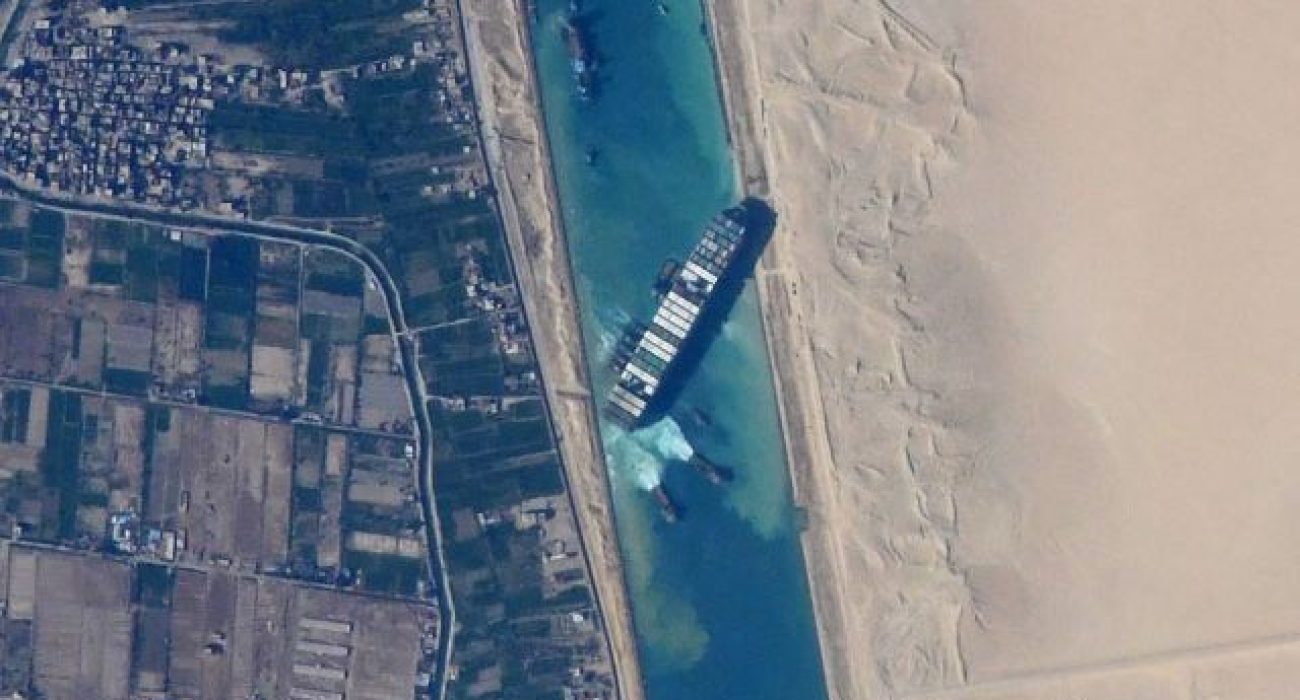
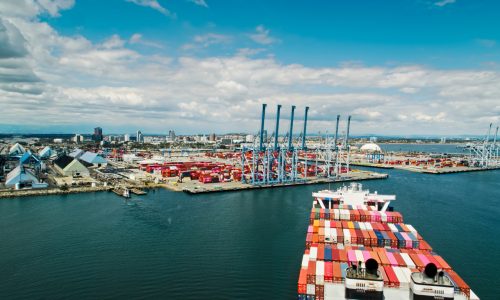
The 400-metre ultra-large container vessel, operated by Evergreen Marine, was transiting northbound under compulsory pilotage. Strong crosswinds affected directional control in the narrow channel. Hydrodynamic bank effect pushed the bow into the eastern bank, while the stern grounded on the western side and sealed the canal.
A Critical Chokepoint for World Shipping
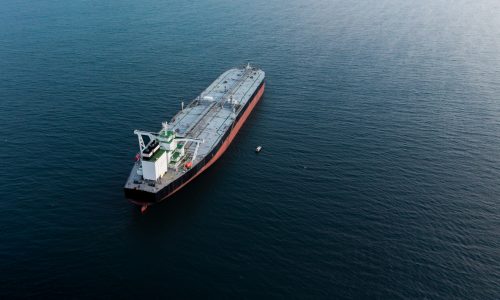
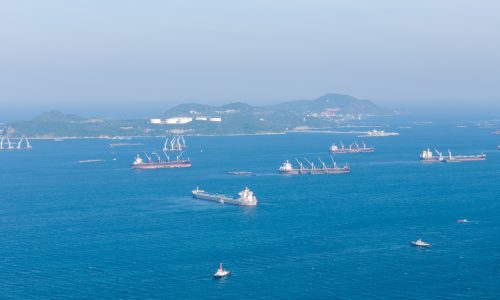
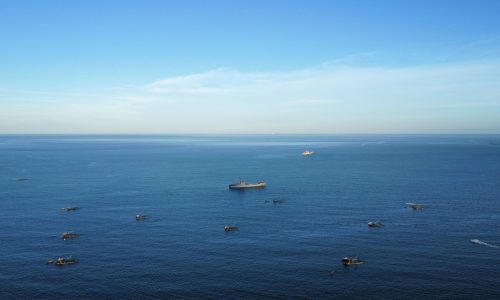
The Suez Canal carries about 12 percent of global trade and close to 30 percent of global container traffic. More than 400 vessels became trapped at both ends of the waterway. Tankers, LNG carriers, bulkers, and container ships had to idle or divert around the Cape of Good Hope.
Those diversions added up to two weeks of transit time. Operators also faced millions of dollars in additional fuel and charter costs.
Supply Chain Shockwaves
The grounding quickly turned into a global symbol of supply chain vulnerability. Satellite images and viral photographs drew public attention. However, the operational consequences proved severe.
Industry analysts estimated that disrupted trade flows reached $9–10 billion per day. The blockage pushed logistics networks closer to collapse. Many of them were already under pressure from the COVID-19 pandemic.
The Salvage Race Against Time
The Suez Canal Authority coordinated the salvage operation with international response teams. Dredgers removed thousands of cubic metres of sand from around the bow. Tugboats applied continuous pulling force. Engineers adjusted ballast and waited for favourable spring tides.
After six days, teams successfully refloated the vessel. Traffic through the canal resumed shortly afterwards.
What the Maritime Industry Learned
The incident raised fundamental questions for the maritime sector. Vessel sizes have increased faster than the infrastructure designed to handle them. The Ever Given had no mechanical failure and was operating within standard commercial parameters.
The grounding showed how environmental forces, extreme scale, and narrow waterways can create a single point of systemic failure.
Legal and Strategic Consequences
Egyptian authorities temporarily detained the vessel and demanded compensation. The initial claim exceeded $550 million. Negotiations later led to a settlement and the release of the ship.
At a strategic level, the event intensified debate about canal expansion, pilotage standards, traffic management, and emergency response capacity.
Why Ever Given Still Matters
The Ever Given eventually returned to commercial service. Its name, however, remains linked to one of the most disruptive incidents in modern maritime history.
The lesson for the industry is clear. Global trade depends on a small number of physical corridors. When one of them fails, even a single ship can bring world logistics to a standstill.