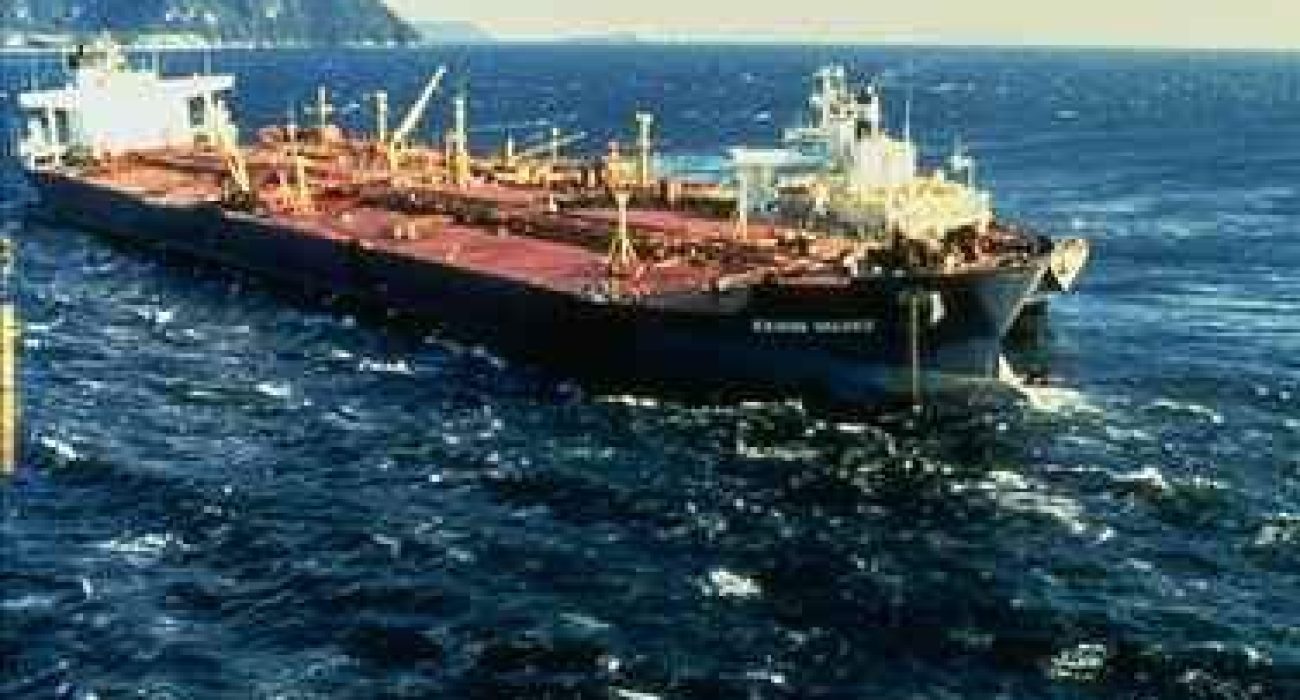
The Exxon Valdez oil spill remains one of the most significant environmental disasters in maritime history. On March 24, 1989, the oil tanker Exxon Valdez ran aground in Alaska’s Prince William Sound. Millions of gallons of crude oil were released into one of North America’s most fragile marine ecosystems. The accident triggered major reforms in tanker safety, oil spill response, and environmental regulation across the global shipping industry.
The Grounding of the Exxon Valdez
The tanker Exxon Valdez departed the port of Valdez carrying nearly 53 million gallons of crude oil bound for California. Shortly after midnight, while navigating through Prince William Sound, the vessel struck Bligh Reef. The impact tore open the hull and caused a massive spill.
Roughly 11 million gallons of crude oil flowed into the surrounding waters. The spill spread quickly across the cold coastal environment. Within days, oil had contaminated hundreds of miles of shoreline in southern Alaska.
Environmental Damage in Prince William Sound
The environmental consequences were severe. Oil spread across the waters of Prince William Sound and coated large sections of the coastline. Thousands of seabirds, sea otters, seals, and other marine animals were killed. Many wildlife habitats were heavily damaged.
Local fisheries also suffered major economic losses. Salmon and herring stocks were affected, disrupting the livelihoods of fishing communities and Indigenous populations in the region. Images of oil-covered wildlife and polluted beaches quickly circulated around the world. The spill became a powerful symbol of the environmental risks associated with oil transportation by sea.
Causes of the Accident
Investigations showed that the grounding resulted from several operational failures rather than a single mistake. Human error played a major role. Crew fatigue and reduced staffing levels were also identified as contributing factors.
The tanker had moved outside the normal shipping lane to avoid ice in the water. This decision placed the vessel dangerously close to Bligh Reef. The disaster exposed weaknesses in navigation oversight and in emergency response planning for major oil spills.
The Oil Pollution Act of 1990
Public reaction to the disaster was immediate and intense. In response, the United States government passed the Oil Pollution Act of 1990, one of the most important environmental laws affecting maritime transport.
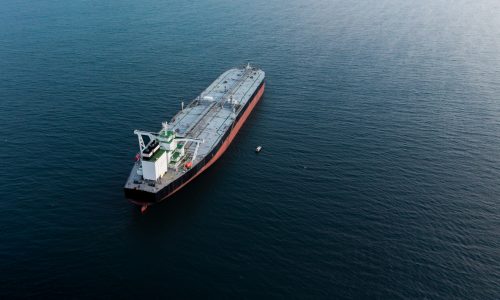
The legislation strengthened oil spill response requirements and increased financial liability for shipowners. It also required the gradual transition to double-hull tanker designs, which significantly reduce the risk of large spills if a vessel’s hull is damaged.
A Turning Point for the Tanker Industry
Although the accident occurred in Alaska, its impact reached far beyond the United States. Double-hull tanker construction soon became the global standard. Shipping companies also began placing greater emphasis on safety management systems, crew training, and navigational procedures.
More than three decades later, the Exxon Valdez disaster remains a defining moment in maritime environmental responsibility. The tanker itself was eventually repaired and returned to service under a different name, but the accident permanently reshaped tanker regulation and safety expectations.
For the shipping industry, the lesson was clear: a single accident in a remote region could trigger worldwide regulatory change and transform how oil is transported across the world’s oceans.