Lockheed Martin Reveals Lamprey Undersea Drone Designed to Travel Attached to Ships
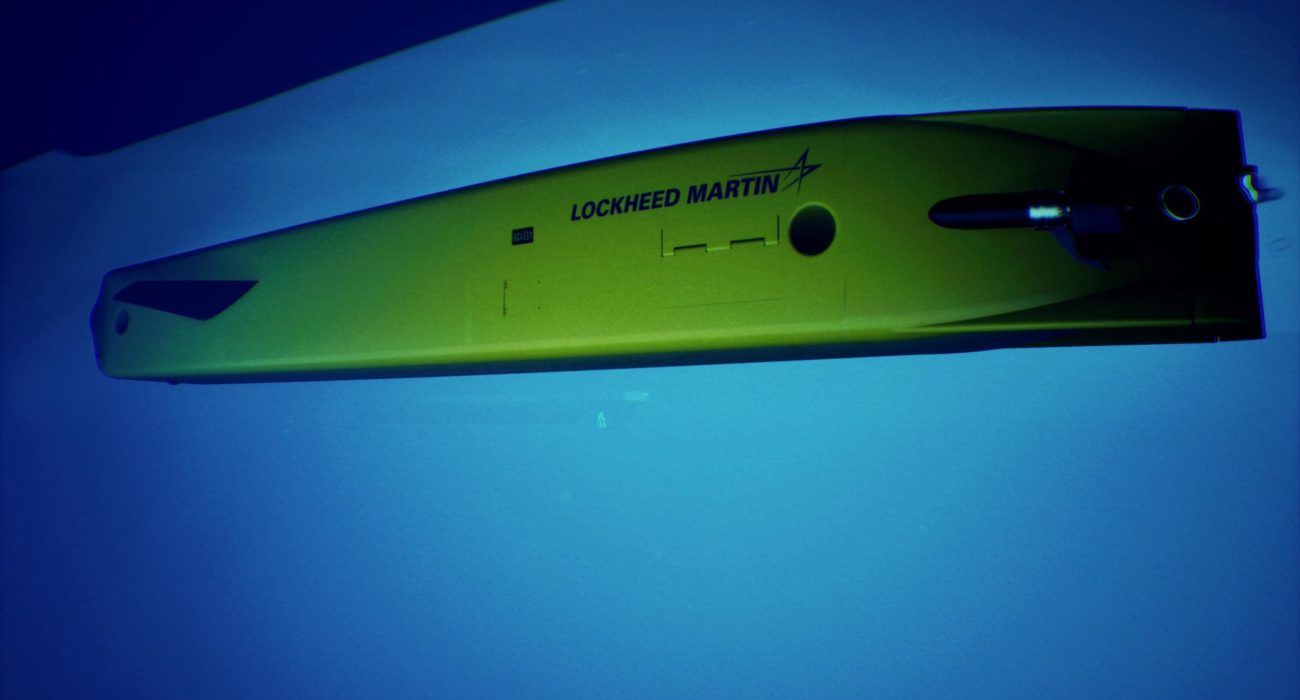
Lockheed Martin’s Lamprey autonomous undersea vehicle is designed to attach to ship hulls and deploy for long endurance naval missions. Photo courtesy Lockheed Martin.
Lockheed Martin has introduced the Lamprey Multi Mission Autonomous Undersea Vehicle, a new generation underwater drone built to extend the operational reach of naval forces. The system is designed to physically attach to the hull of surface ships or submarines and recharge while in transit, allowing it to deploy with full energy reserves.
The company presents Lamprey as a flexible autonomous platform developed for modern maritime security and naval operations. By traveling attached to a host vessel, the drone can reach distant operational areas without requiring dedicated support ships. This approach supports longer endurance missions and reduces logistical demands.
Hull Attachment Enables Energy Recovery at Sea
A defining feature of the Lamprey vehicle is its ability to dock to a vessel hull without structural modification. While attached, onboard hydro generators convert water flow into electrical power. This process recharges the drone’s batteries and prepares it for independent deployment once it detaches.
After release, the vehicle navigates autonomously using onboard sensors and a multi thruster propulsion system. It can operate at depth or near the surface depending on mission requirements. This capability supports covert deployment and flexible maneuvering in contested maritime environments.
Modular Payload Supports Multiple Mission Types
Lamprey includes a modular payload bay with approximately 24 cubic feet of internal capacity. This open architecture design allows operators to configure the drone for different operational roles. Payload options include intelligence sensors, electronic countermeasure systems, acoustic decoys and lightweight torpedoes.
The platform can also carry deployable systems such as unmanned aerial vehicles. These additions extend surveillance and reconnaissance capabilities above the surface. The modular approach enables rapid reconfiguration for different naval missions.
Focus on Persistent Undersea Presence
Lockheed Martin positions the Lamprey drone as a cost effective way to maintain persistent undersea presence. The company highlights its value for surveillance, assured access operations and sea denial missions. Autonomous deployment reduces risk to personnel while expanding operational flexibility.
The project was developed through internal investment and reflects growing emphasis on unmanned maritime technology. As naval forces increase their focus on autonomous systems, platforms like Lamprey signal a shift toward distributed and persistent undersea capabilities.